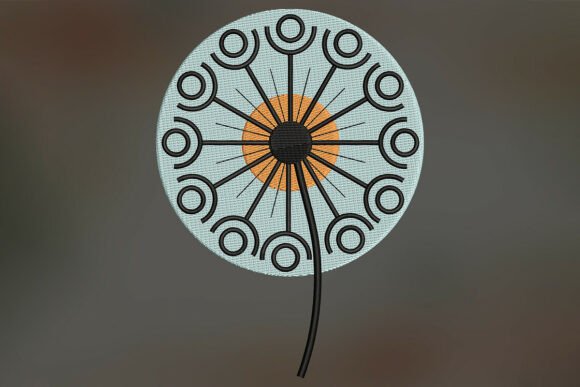
Reviewing the Dandelion Embroidery Design for Real Projects
As a designer who spends more time staring at stitch simulations than I do sleeping, I have learned that not every machine embroidery design is created equal. Some look stunning on a screen but turn into a tangled mess of thread breaks and puckering on fabric. Others are workhorses—reliable, clean, and versatile. Recently, I spent some time evaluating the Dandelion Embroidery Design, a piece from the Single Flowers Plants category, to see if it holds up under the scrutiny of actual production. If you are an Etsy seller, a boutique owner, or a hobbyist looking to elevate your handmade products, understanding how a design behaves before you hit "start" on your machine is crucial.
First Impressions: Mood and Visual Personality
The first thing that strikes you about this embroidery file is its delicate balance between whimsy and modern minimalism. Dandelions are often associated with wishes and childhood nostalgia, but this interpretation feels contemporary. It avoids the overly cartoonish look that plagues many floral designs, opting instead for a cleaner line work that suggests movement. The layout is open, which is a significant advantage. In the world of Embroidery, negative space is just as important as the stitches themselves. This design breathes, allowing the fabric texture to show through, which gives the finished product a high-end, boutique feel rather than a mass-produced appearance.
For a craft business owner, visual appeal translates directly to customer trust. When a potential buyer sees a clean, well-digitized flower on a tote bag or a sweatshirt, they subconsciously associate that quality with your brand. This design offers that professional polish. It is not overly dense, which means it won’t weigh down lightweight fabrics, making it an excellent choice for items where comfort and drape are priorities.
Real-World Application: From Mockup to Finished Product
To truly test the versatility of the Dandelion Embroidery Design, I imagined several common scenarios faced by small shop owners. Let’s consider a custom embroidered tote bag. Tote bags are staples for eco-conscious consumers, but they can be tricky due to the weave of the canvas. Because this design likely utilizes a mix of running stitches for the stems and lighter fill stitches for the seed head, it should sit flat without causing the fabric to pucker excessively. The result is a chic, understated accessory that appeals to a broad demographic.
Another strong candidate for this design is sweatshirt embroidery. Hoodies and crewnecks have become canvases for personal expression. Placing this dandelion on the left chest area creates a subtle, sophisticated look. Unlike heavy, dense logos that can feel stiff against the skin, a floral motif like this maintains the softness of the garment. It also works beautifully for baby embroidery. The gentle imagery fits perfectly on onesies or burp cloths, offering a personalized gift option that feels thoughtful and tender. For holiday embroidery, such as a spring-themed kitchen towel or a nursery decor pillow cover, the design adds a touch of seasonal freshness without being overtly thematic, allowing it to remain relevant beyond a single holiday.
Technical Considerations and Stitch Performance
While the aesthetic is promising, the technical execution is where a design lives or dies. The product description mentions that the file has been manually drafted for a quick and smooth stitch out. In my experience, manual digitizing often results in better pathing, meaning fewer jumps and trims, which speeds up production time. However, you must pay attention to stitch density. If the seed head of the dandelion is too dense, it can create a hard patch on soft fabrics like jersey knits. Conversely, if it is too light, the backing stabilizer might show through, ruining the visual clarity.
I recommend testing the design on scrap fabric first. This is non-negotiable for any serious embroidery project. Check how the thread colors interact with your chosen fabric. A white or cream thread on a dark navy sweatshirt will pop, but you need to ensure the underlay stitches are sufficient to prevent the dark fabric from peeking through the lighter top stitches. For those considering this as an applique design, note that this appears to be a standard stitched design, but you could potentially adapt elements if you are experienced in modifying digital embroidery files.
Navigating Fabric Challenges
Not every fabric is a friend to every design. Here is where you need to exercise caution with the Dandelion Embroidery Design:
- Stretchy Fabrics: If you are working with thin, stretchy materials for baby clothes, use a cut-away stabilizer. The open nature of the design helps, but the tension of the hoop can still distort knit fabrics if not properly supported.
- Textured Fabrics: On highly textured towels or terrycloth, fine details can get lost. Ensure the satin stitch elements (if any are used in the stem or leaves) are wide enough to bridge the texture of the fabric.
- Curved Surfaces: Embroidering on caps requires careful hooping. The dandelion’s organic shape might distort if placed on a highly curved panel. Keep the design centered and avoid placing it too close to the seams.
- Dark Fabrics: Always test on dark fabric to check for "grin-through," where the bobbin thread or backing shows. You may need to adjust your tension or use a top-stitching needle for smoother results.
Commercial Viability and Brand Consistency
For Etsy sellers and digital product sellers, the license terms are critical. Before using this design for commercial embroidery projects, confirm the licensing agreement. Can you sell finished items? Can you use it in printable mockups for your online store? Most designers allow the sale of finished physical goods, but restrictions often apply to reselling the digital embroidery file itself. Clarifying this protects your craft business from legal issues and ensures you are respecting the creator's intellectual property.
Using a consistent design aesthetic helps build brand recognition. If your small shop specializes in botanical themes, adding this dandelion to your lineup of design assets strengthens your niche. It pairs well with other Single Flowers Plants motifs, allowing you to create cohesive collections for seasonal releases. Whether you are creating a wedding gift set with embroidered handkerchiefs or a line of branded aprons for a local cafe, the professionalism of the stitch out reflects directly on your reputation.
Final Verdict and Practical Tips
The Dandelion Embroidery Design is a solid addition to any designer’s library. It offers a blend of modern style and practical stitchability that suits a wide range of applications, from custom apparel to home decor. To get the best results, follow these steps:
- Check Your Hoop Size: Ensure the design fits comfortably within your hoop, leaving enough margin for stable hooping.
- Select the Right Stabilizer: Match your stabilizer to your fabric weight. Tear-away for wovens, cut-away for knits.
- Test Thread Contrast: Use high-contrast threads for testing to spot any stitching errors, then switch to your final color palette.
- Inspect Small Details: Zoom in on your machine’s preview screen. Look for any tiny, isolated stitches that might cause thread nests.
- Verify File Formats: Since specific formats were not listed in the brief description, ensure you download the correct file type for your machine (e.g., PES, DST, JEF) before purchasing.
In conclusion, this design is not just a pretty picture; it is a functional tool for creators. It respects the limitations of embroidery machines while maximizing aesthetic impact. For those looking to create high-quality, handmade products that resonate with customers, the Dandelion Embroidery Design is worth a test run. Just remember, the magic lies in the preparation—proper stabilizing, thread selection, and testing will turn a good design into a great finished product.