Reviewing Embroidery Tomato Leaves Design
As an embroidery designer who spends countless hours digitizing and testing patterns for seasonal collections, I approach every new machine embroidery design with a critical eye. It is not just about whether the stitches look good on the screen; it is about how that design performs in the real world of holiday sales and handmade gifting. Recently, I reviewed the Embroidery Tomato Leaves Design, a pattern categorized under Single Flowers Plants, to determine its viability for my upcoming autumn and winter product lines. What I found was a versatile, botanically accurate motif that offers a surprising amount of flexibility for sellers looking to diversify their seasonal embroidery offerings beyond the traditional pumpkins and pinecones.
First Impressions: A Rustic Botanical Appeal
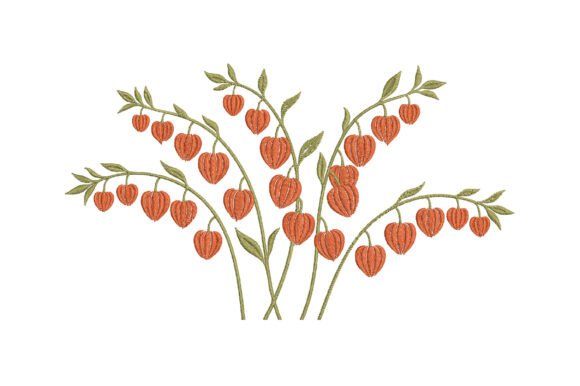
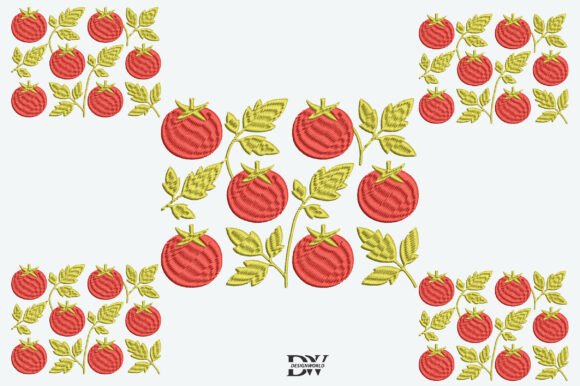
The first thing that struck me about the Embroidery Tomato Leaves Design is its natural, organic feel. In a market saturated with overly cartoonish or rigid geometric patterns, this design brings a touch of rustic elegance. The foliage is detailed, capturing the serrated edges and vein structures of tomato plants with a fidelity that appeals to gardeners and home cooks alike. The emotional tone is cozy and nostalgic, evoking memories of summer harvests and grandmother’s kitchens. This makes it an excellent candidate for holiday embroidery projects that aim for a warm, homemade aesthetic rather than a flashy, commercial look.
For Etsy sellers and small shop owners, this visual recognition is crucial. Customers are increasingly drawn to designs that tell a story. The botanical style of this pattern suggests freshness and authenticity, which can significantly enhance the perceived value of your finished product. Whether you are aiming for a modern farmhouse vibe or a vintage cottagecore aesthetic, the design fits seamlessly into both narratives.
Strategic Product Applications for the Holiday Season
When planning a seasonal shop collection, versatility is key. I tested the Embroidery Tomato Leaves Design mentally against various product types to see where it would shine. Here is how I envision this pattern performing in real selling situations:
- Kitchen Towels and Aprons: This is perhaps the most obvious and profitable application. The kitchen towel embroidery market is huge during the holidays. A set of towels featuring tomato leaves, perhaps paired with heirloom tomato varieties, makes for a perfect housewarming or hostess gift. The green tones of the leaves contrast beautifully with white or cream linen, creating a clean, premium look.
- Sweatshirts and Apparel: For sweatshirt embroidery, placement is everything. I recommend positioning this design on the left chest for a subtle, branded look, or larger on the back for a statement piece. It works exceptionally well for family matching items, appealing to those who love gardening or cooking together during the holidays.
- Tote Bags and Market Bags: As a tote bag design, the leafy motif reinforces the eco-friendly, reusable nature of the product. It appeals to shoppers who frequent farmers' markets, even in the colder months, adding a touch of spring anticipation to winter accessories.
- Home Decor Items: Consider using this pattern on pillow cover inserts for kitchen nooks or dining areas. The natural greenery provides a calming counterpoint to the often busy reds and golds of traditional holiday decor.
- Embroidered Patches: If you offer add-ons, an embroidered patch version of these leaves allows customers to customize their own jackets or bags, increasing engagement and average order value.
Navigating Technical Challenges and Fabric Choices
While the design is beautiful, practical execution requires attention to detail. As a designer, I must advise caution in certain areas to ensure customer satisfaction and reduce returns. The intricate details of the foliage mean that stitch density is a critical factor. If you are stitching on thick towels or heavy denim, you must ensure your machine can handle the layering without puckering.
One common mistake is using this design on stretchy garments without proper preparation. Always use a high-quality cut-away stabilizer when working with knits like sweatshirts to prevent the design from distorting after washing. Additionally, be mindful of hoop size limitations. If you are scaling the design down for small items like ornaments or baby bibs, check that the fine details of the leaves do not merge into a solid blob. Test stitch on scrap fabric first.
Color selection is another vital consideration. While green is the default, consider experimenting with thread colors to match specific holiday palettes. Deep forest greens work for Christmas, while muted olives suit Thanksgiving. However, avoid using metallic threads for the fine veins unless you are experienced, as they can break easily and obscure the delicate structure of the leaves. Also, be cautious with dark fabric; if the green thread does not have enough contrast, the design may get lost. Always create realistic mockups on both light and dark backgrounds to verify visibility.
Boosting Seasonal Appeal and Buyer Emotion
The true power of the Embroidery Tomato Leaves Design lies in its ability to connect with buyer emotion. During the holiday shopping period, customers are not just buying objects; they are buying feelings of warmth, tradition, and care. A handmade gift featuring this botanical motif feels personal and thoughtful. It signals that the giver values quality and nature.
For Etsy seller accounts, this design can help build brand consistency. If your shop focuses on home and garden themes, adding this pattern to your digital embroidery file library strengthens your niche authority. It allows you to create cohesive product bundles, such as a "Harvest Kitchen Set" including towels, an apron, and pot holders. These bundles increase the perceived value and encourage larger purchases.
Moreover, the design is highly shareable on social media. The intricate details photograph well, making it ideal for printable mockup graphics and Instagram previews. High-quality images of the stitched leaves on textured fabrics can drive engagement and attract customers who appreciate craftsmanship. This visual appeal translates directly into trust; when customers see the precision of the stitches, they are more likely to believe in the quality of your entire store.
Final Designer Notes for Commercial Use
Before adding the Embroidery Tomato Leaves Design to your production line, there are a few final checks to perform. First, confirm the commercial licensing terms of the digital embroidery file. Ensure you have the right to sell finished products, especially if you are scaling up for holiday demand. Second, review the file format compatibility with your specific machine software to avoid conversion errors that could alter stitch paths.
Remember, this design falls under the Single Flowers Plants category, but its application extends far beyond simple floral arrangements. It is a lifestyle symbol. By integrating it into your commercial embroidery strategy, you tap into the growing market for authentic, nature-inspired home goods. Whether used for a personalized gift for a gardening enthusiast or as part of a broader small shop product launch, this design offers a fresh, sophisticated alternative to standard holiday motifs. With careful attention to stabilizer choice, thread quality, and fabric texture, the Embroidery Tomato Leaves Design can become a staple in your seasonal repertoire, driving sales and delighting customers throughout the holiday season and beyond.