Reviewing the Flowing Floral Ornament Embroidery Design
As a designer who has spent years digitizing patterns and testing them on everything from crisp cotton poplin to stretchy jersey knits, I approach every new machine embroidery design with a mix of curiosity and skepticism. We have all been there: you download a beautiful preview, load it onto your machine, and hope the stitching matches the promise. Today, I am taking a close look at the Flowing Floral Ornament Embroidery Desig, a piece categorized under Single Flowers Plants that aims to bring a sense of organic elegance to fabric.
This is not just about whether the file opens correctly. It is about how this specific embroidery file behaves in the real world of craft business and custom apparel. I evaluated this design with a specific project in mind: a high-end linen tote bag for a local boutique client who wanted something subtle yet sophisticated. Here is my practical assessment of how this design holds up under the needle.
First Impressions: Mood and Visual Personality
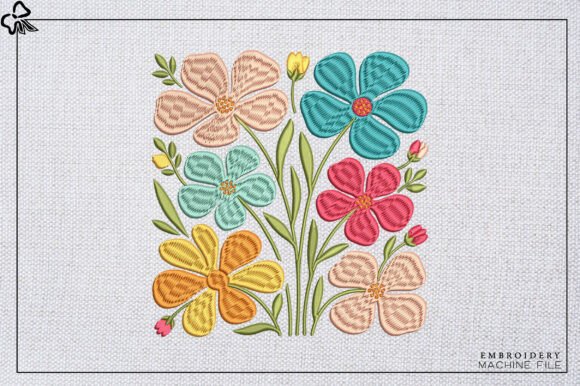
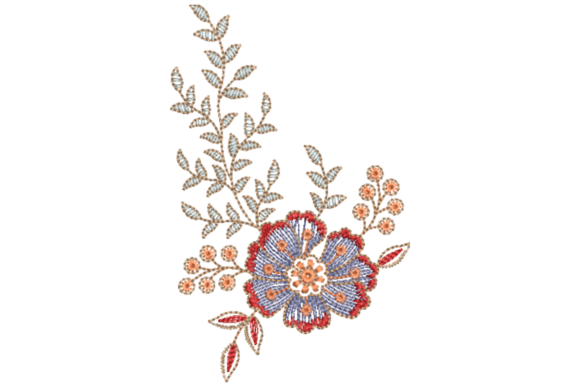
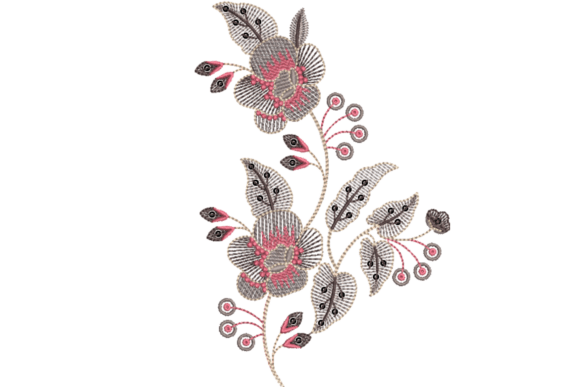
The first thing that strikes you about the Flowing Floral Ornament Embroidery Desig is its movement. Unlike static floral clusters that can feel stiff or overly symmetrical, this design relies on soft botanical swirls and delicately shaped blossoms. The layout suggests a gentle breeze rather than a rigid arrangement. For an embroidery designer, this fluidity is both a blessing and a challenge. It creates a mood of grace and femininity, making it an ideal candidate for projects where you want to evoke calmness or natural beauty.
The visual personality here is understated. It does not scream for attention with massive, dense fill areas. Instead, it uses the negative space effectively. This makes it versatile for various design assets, from wedding invitations printed on fabric to delicate baby items. However, because the lines are flowing, the clarity of the stitch path becomes critical. If the digitizing is poor, those smooth curves can turn into jagged, stair-stepped messes on lower-resolution machines.
Real-World Application: From Mockup to Finished Product
To test the viability of this design, I imagined it applied to several common handmade product categories. The most natural fit, in my opinion, is sweatshirt embroidery. The soft curves of the floral ornament complement the casual, cozy nature of a fleece or French terry sweatshirt. When placed on the left chest or sweeping across the upper back, the design adds a touch of boutique refinement to a basic garment.
I also considered its use as a tote bag design. On canvas or heavy linen, the flowing lines need sufficient support. If you are an Etsy seller looking to create a signature look for your shop, this design could work beautifully on the corner of a market bag. It feels less like a logo and more like an artistic accent. For baby embroidery, such as a muslin swaddle or a onesie, the delicate blossoms are charming, provided the stitch density is low enough to keep the fabric soft against sensitive skin.
Another strong contender is the embroidered patch. Because the design features distinct swirls and separate blossom elements, it could be adapted into a cut-work or applique style if you modify the edges. This versatility makes it a valuable addition to your library of commercial embroidery resources, allowing you to offer personalized gifts that feel unique rather than mass-produced.
Technical Considerations and Fabric Compatibility
While the aesthetic is appealing, we must discuss the technical realities. The success of the Flowing Floral Ornament Embroidery Desig depends heavily on your choice of stabilizer and fabric. Since the design features smooth movement and curves, using a cut-away stabilizer is advisable for stretchy fabrics like t-shirts or caps. For woven fabrics like cotton or linen, a tear-away might suffice, but only if the stitch density is moderate.
One area where you need to exercise caution is with textured fabrics. If you attempt to stitch this on a thick towel or a fuzzy fleece, the finer details of the "delicately shaped blossoms" may get lost. The thread colors you choose will also play a pivotal role. High-contrast threads (like white on black) will highlight the precision of the curves, while tonal threads (like sage green on olive) will create a subtle, embossed effect. I recommend testing the design in black and white mockups first to ensure the shapes remain distinguishable without color reliance.
Be mindful of hoop size constraints. Although the exact dimensions are not specified in the brief description, flowing designs often require a larger hoop to maintain the integrity of the long curves. If you are forced to split the design into multiple hoops for a large application, registration issues may disrupt the seamless flow of the leaves. Always check the file specifications before committing to a large-scale embroidery project.
Enhancing Brand Value and Customer Trust
For small shop owners and creative entrepreneurs, the choice of design directly impacts perceived value. A clean, well-digitized floral ornament signals professionalism. When customers see crisp edges and consistent tension in your finished product, their trust in your brand grows. The Flowing Floral Ornament Embroidery Desig, with its elegant aesthetic, helps elevate simple items into giftable treasures.
This is particularly important for holiday embroidery or wedding gifts, where presentation is everything. A well-executed floral design on a napkin set or a pillow cover can justify a higher price point. It shows that you care about the details. Furthermore, using such a versatile design allows for consistency in your branding. You can use the same motif on aprons, tea towels, and tote bags, creating a cohesive collection that recognizes your shop’s style.
Practical Designer Notes for Best Results
Before you rush to stitch this on a client’s expensive garment, follow these practical steps:
- Test on scrap fabric first: Never skip this step. Check how the curves stitch out on the specific material you plan to use.
- Check thread contrast: Ensure your thread color stands out appropriately against the fabric background. Dark fabrics may require heavier weight threads or underlay adjustments.
- Review stitch density: If the design feels too stiff after stitching, consider reducing the density in your editing software if you have the rights to modify it.
- Inspect small details: Zoom in on the blossoms. Are there any tiny jumps or loose threads that need trimming? Clean up the back of the work for a professional finish.
- Confirm licensing: Before selling items made with this digital embroidery file, verify the license terms. Some designers allow commercial use for finished physical goods but restrict the resale of the digital file itself.
In conclusion, the Flowing Floral Ornament Embroidery Desig offers a graceful, versatile option for designers looking to add a touch of nature-inspired elegance to their work. It fits naturally into the Single Flowers Plants category and serves well across a range of applications, from custom apparel to home decor. By paying attention to fabric choice, stabilizer support, and thread selection, you can ensure that this design performs as beautifully in reality as it does in the preview. It is a solid choice for any maker aiming to produce high-quality, visually appealing embroidered goods.