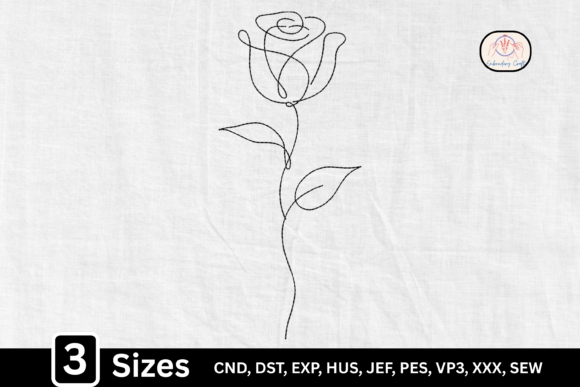
Minimalist Line Art Single Rose Review
As an embroidery designer who has spent countless weekends standing behind folding tables at local craft fairs, I have learned that not every machine embroidery design is created equal when it comes to retail success. Some designs are beautiful on a screen but get lost in the chaos of a busy booth. Others are so complex they take hours to stitch, eating into profit margins. Today, I am reviewing the Minimalist Line Art Single Rose, a digital asset that promises to add timeless elegance to your collection. I evaluated this piece specifically through the lens of a maker preparing for a high-traffic handmade market, looking for what sells, what looks premium, and what is practical to produce in bulk.
First Impressions: The Power of Subtlety
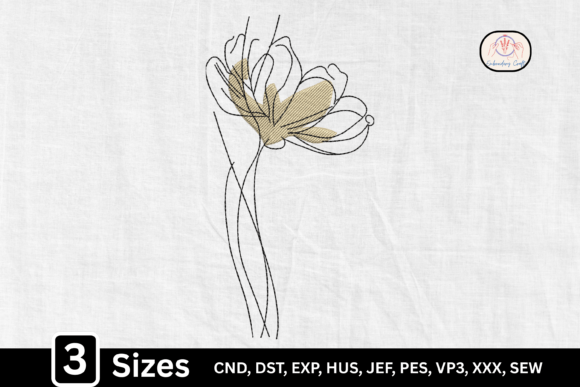
When I first loaded the embroidery file into my software, the immediate impression was one of refined simplicity. In a market saturated with overly busy, colorful, and dense floral patterns, this design stands out by doing less. It falls squarely into the modern, minimal aesthetic that dominates current home decor and fashion trends. It does not scream for attention; instead, it invites a closer look. This is crucial for a craft fair product. Customers walking past a booth often scan quickly. A design that is too small or too intricate gets ignored. However, a clean, single-line rose offers a sophisticated silhouette that reads clearly from three feet away.
The description notes it is a "Single Line Floral," which suggests a continuous path aesthetic. This style feels elegant and premium rather than cute or rustic. It bridges the gap between traditional floral motifs and contemporary line art, making it versatile for a wide demographic. For sellers targeting millennials or Gen Z buyers who prefer understated decor, this design hits the mark perfectly. It avoids the "grandma chic" trap that some floral embroidery can fall into, positioning itself as a stylish, modern accessory.
Product Application and Versatility
The true test of any digital embroidery file is its versatility across different substrates. I imagined this design on various items typically found in a successful boutique maker’s inventory. Here is how I see the Minimalist Line Art Single Rose performing:
- Tote Bags: This is arguably the best application. A large hoop placement on a canvas tote allows the line work to breathe. The contrast of black thread on natural cotton creates a striking, artistic look that appeals to book lovers and eco-conscious shoppers.
- Aprons: For kitchenware, placing this on the bib of a linen apron adds a touch of professionalism and grace. It transforms a utilitarian item into a handmade product that feels giftable.
- Tea Towels: While beautiful, caution is needed here. The texture of waffle weave or terry cloth can disrupt fine lines. This design works best on smooth flour sack towels where the stitch definition remains crisp.
- Embroidered Patches: A small version of this rose makes an excellent iron-on patch. It allows customers to customize their denim jackets or backpacks, adding value to your booth offerings.
- Caps and Beanies: Curved surfaces are tricky. Because this is a line art design, it lacks the heavy fill stitches that provide structure. It must be digitized with care to prevent puckering on thin cap material.
For Etsy sellers and online shop owners, this design photographs exceptionally well. Minimalist designs do not suffer from glare or shadow issues as much as satin-stitch heavy designs do. You can create a clean printable mockup or take flat-lay photos that look professional with minimal editing. This consistency helps build a strong brand identity across your social media and listing images.
Production Efficiency and Profitability
From a business standpoint, time is money. One of the strongest selling points of the Minimalist Line Art Single Rose is likely its stitch efficiency. While I do not have the exact stitch count from the provided description, single-line designs generally run faster than filled motifs. This means you can produce more units in less time, increasing your inventory for peak seasons like holidays or spring markets.
Batch production becomes feasible when the design is reliable. If you are stitching fifty tote bags for a weekend fair, you need a design that does not require constant trimming or hooping adjustments. The simplicity of this rose suggests it is low-maintenance. However, you must verify the stitch density. If the digitizer has used too many running stitches without proper anchoring, the threads may loosen over time. Always check the underlay settings in your software before committing to a large run.
Critical Considerations for Makers
While the design is promising, there are practical pitfalls to avoid. As an experienced designer, I advise paying close attention to the following technical aspects:
- Fabric Texture: On textured fabrics like thick towels or burlap, fine lines can get lost. Ensure your thread color contrasts sharply with the fabric. White thread on white linen will vanish; consider using a soft gray or blush pink for better visibility.
- Stabilizer Choice: Because line art lacks the mass of fill stitches, it relies heavily on the stabilizer for support. Use a cut-away stabilizer for stretchy fabrics like t-shirts to prevent distortion. For woven totes, a tear-away may suffice, but test first.
- Thread Colors: Stick to monochromatic or two-tone schemes. Using multiple colors in a single-line design can break the visual flow and make it look cluttered. Let the shape speak for itself.
- Hoop Size: Confirm the recommended hoop size before purchasing. Ensure it fits your machine’s capabilities. If you plan to scale it up, check for pixelation or path errors in the digitizing.
It is also vital to address licensing. The product description mentions it is an embroidery design but does not explicitly state commercial rights. Before selling any finished product featuring this rose, you must confirm the license terms with the creator. Most reputable designers allow commercial use for physical items but restrict the resale of the design assets themselves. Never assume; always read the terms.
Enhancing Visual Appeal and Brand Value
Incorporating the Minimalist Line Art Single Rose into your lineup can elevate your brand’s perceived value. It signals that you understand current design trends and care about aesthetics. When displayed in a booth, pair these embroidered items with neutral packaging—kraft paper, simple twine, and minimalist tags. This cohesive presentation reinforces the elegant vibe of the embroidery.
Customer engagement often increases with designs that feel personal yet universal. A single rose is a symbol everyone understands, but the minimalist execution makes it feel unique. It invites conversation. Buyers might ask about the technique or the inspiration, giving you a chance to connect and close the sale. Furthermore, because it belongs to the Single Flowers Plants category, it pairs well with other botanical items in your shop, allowing you to create curated bundles.
Final Designer Notes
Before you launch this design into your commercial embroidery workflow, take these final steps. First, stitch out a test sample on scrap fabric identical to your final product. Check for thread breaks, nesting, or alignment issues. Second, wash and dry the sample to ensure durability. Third, compare the stitched result against your printable mockup to manage customer expectations accurately.
The Minimalist Line Art Single Rose is a strong contender for makers looking to expand their small shop product range with something timeless. It balances artistic integrity with production practicality. By focusing on high-quality materials and precise stitching, you can turn this simple digital file into a standout bestseller at your next market. Remember, in the world of handmade goods, clarity and elegance often outsell complexity. This design embodies that principle, offering a sophisticated touch that resonates with modern buyers seeking quality and style.