Reviewing the Chinese Lantern Plant Embroidery Design
As a designer who spends more time staring at stitch maps than finished garments, I have learned that the difference between a good machine embroidery design and a great one often lies in the subtleties. It is not just about how it looks on the screen; it is about how it behaves under the needle. Recently, I evaluated the Chinese Lantern Plant Embroidery Design for a potential client project, and I want to share my practical observations. This piece belongs to the Single Flowers Plants category, but it carries a distinct seasonal weight that sets it apart from generic floral motifs.
First Impressions: Mood and Visual Personality
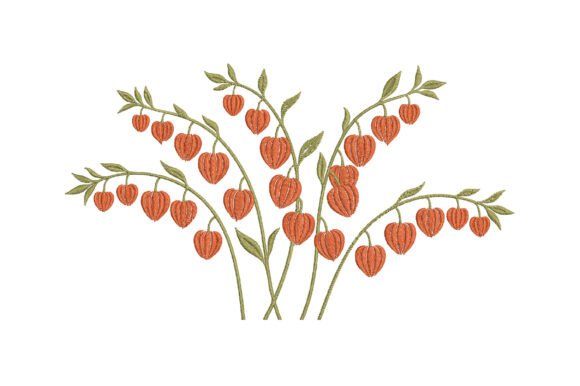
The first thing that strikes you about this design is its organic warmth. The Chinese Lantern Plant Embroidery Design features delicate physalis pods rendered in warm orange tones, balanced by soft green leaves. Visually, it creates an immediate sense of autumn comfort. It does not scream for attention with neon brightness or excessive complexity. Instead, it offers a quiet, botanical elegance. For an embroidery project aimed at home decor or cozy apparel, this mood is invaluable. The layout feels natural, avoiding the rigid symmetry that often makes digital designs look stiff when stitched out.
The detail level is moderate. It captures the papery texture of the lantern pods without relying on thousands of tiny stitches that could cause registration issues. This balance suggests the designer understands the limitations of home embroidery machines while still aiming for a high-end aesthetic. It feels like a piece of art rather than a clip-art insertion.
Real-World Application: The Tote Bag Test
To truly judge a design, you must imagine it on a physical product. I visualized this pattern on a heavy canvas tote bag design. Canvas has a pronounced fabric texture, which can sometimes swallow fine details. However, the bold shapes of the physalis pods hold up well against the weave. The warm oranges contrast beautifully with natural beige or cream canvas, creating a rustic, farmer’s market vibe that appeals to eco-conscious buyers.
I also considered this for sweatshirt embroidery. Here, the softness of the design shines. On a heather grey or oatmeal-colored fleece, the green leaves provide a fresh pop of color without being overpowering. This makes it an excellent choice for custom apparel brands looking to offer seasonal collections without resorting to cliché holiday imagery. It bridges the gap between late summer harvest and early winter coziness, extending the wearable life of the garment.
Versatility Across Product Lines
Beyond bags and sweaters, this design has strong potential in several other areas:
- Kitchen Textiles: Imagine this stitched on linen tea towels or aprons. The botanical theme fits perfectly in a culinary context, appealing to customers who love farm-to-table aesthetics.
- Nursery Decor: The gentle curves and non-aggressive colors make it suitable for baby embroidery projects, such as blanket corners or wall hangings, provided the scale is adjusted appropriately.
- Holiday Gifts: As a holiday embroidery motif, it serves as a sophisticated alternative to traditional pumpkins or snowflakes. It works wonderfully for personalized gifts where the recipient appreciates nature-inspired art.
Technical Considerations and Stitch Performance
While the visual appeal is strong, we must discuss the technical execution. Without seeing the specific embroidery file data, I advise checking the stitch density carefully. Designs with filled areas, like the lantern pods, often use fill stitch patterns. If the density is too high, it can cause puckering, especially on lighter fabrics. If it is too low, the fabric underneath may show through, breaking the illusion of solid color.
The leaves likely utilize a combination of satin stitch for the veins or edges and fill stitches for the body. Satin stitches are beautiful but prone to snagging if they are too wide. Ensure the column width of any satin elements stays within the recommended limit for your thread type. Additionally, look for running stitch outlines. These can add definition but may disappear if the thread color matches the fabric too closely. Always test your thread colors against your chosen material.
Fabric and Stabilizer Choices
The success of the Chinese Lantern Plant Embroidery Design depends heavily on your foundation. For stretchy fabrics like jersey t-shirts, a cut-away stabilizer is non-negotiable to prevent distortion. For woven fabrics like cotton or linen, a tear-away stabilizer usually suffices, but hooping tension must be precise. Avoid using this design on very thin, slippery fabrics like silk chiffon unless you have advanced experience with floating techniques and water-soluble stabilizers. The weight of the stitches could pull and pucker delicate materials.
Be cautious with dark fabrics. If the design relies on subtle shading, ensure your thread has enough sheen to reflect light. Matte threads on black fabric can look flat. Conversely, on light fabrics, ensure there are no stray jump stitches visible, as they will stand out against the pale background.
Commercial Viability for Etsy Sellers and Makers
For Etsy seller accounts and small shop owners, this design offers a unique selling proposition. It is not a generic rose or daisy. The specificity of the Chinese Lantern plant attracts a niche audience interested in botany, gardening, or unique seasonal decor. This specificity can increase perceived value. A handmade product featuring a recognizable yet uncommon plant often commands a higher price point than one with a generic flower.
When creating printable mockup images for your online store, photograph the stitched design in natural light. The warm orange tones benefit from golden hour lighting, which enhances the "lantern" effect. Use these images to create cohesive design assets for your social media marketing. Consistency in presentation builds customer trust and brand recognition.
However, always verify the licensing terms of the digital embroidery file before selling finished product items. Some designers allow commercial use for physical goods but restrict the sale of the digital file itself. Clarifying this ensures your craft business operates legally and ethically.
Final Designer Notes and Recommendations
Before committing to a large production run or a high-value custom order, follow these steps:
- Test on Scrap Fabric: Always stitch a sample on the exact fabric you intend to use. Check for puckering, thread breaks, and color accuracy.
- Check Hoop Size: Confirm the design fits comfortably within your hoop size with adequate margin for clamping. Do not crowd the edges.
- Inspect Small Details: Zoom in on the digitized file. Are there unnecessary jumps? Are the tie-offs secure? Clean up any messy elements in your editing software if necessary.
- Contrast Check: View the design in black and white. If the details disappear, the contrast between the pod and leaf colors may be insufficient for certain fabric backgrounds.
- Wash Testing: Wash and dry your test piece. Does the design hold up? Do the colors bleed? This step is crucial for items like embroidered patch applications or clothing that requires frequent laundering.
In conclusion, the Chinese Lantern Plant Embroidery Design is a thoughtful, well-balanced addition to any designer’s library. It offers versatility across commercial embroidery and personal projects, provided you respect the technical requirements of the stitch types involved. It is a design that rewards careful preparation with a professional, polished result. For makers looking to elevate their autumn and winter collections, this botanical motif is a reliable and stylish choice.