Reviewing the Love Flower Embroidery Design
As an embroidery designer who has spent years testing digital files for real-world application, I approach every new machine embroidery design with a mix of curiosity and caution. When I first opened the Love Flower Embroidery Design, my immediate goal was to determine if it could hold up in a busy personalized gift shop. This is not just about aesthetics; it is about functionality, durability, and emotional resonance. For Etsy sellers, small business owners, and crafters, the difference between a good file and a great product often lies in how well the design translates from screen to fabric.
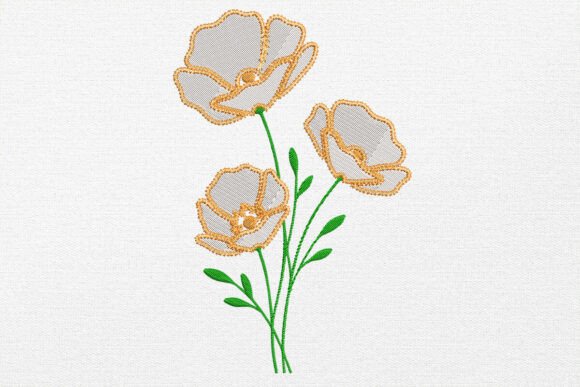
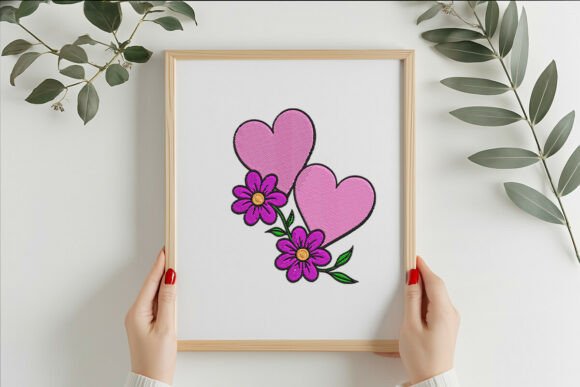
The Love Flower Embroidery Design, which features delicate line art of hands holding floral elements, immediately struck me as a versatile asset. It sits comfortably within the Wedding Flowers category, yet its appeal extends far beyond bridal showers. The mood is undeniably sweet and romantic, but it avoids being overly saccharine. There is a modern elegance to the line work that makes it feel contemporary rather than dated. For a handmade product to succeed in today’s market, it needs to feel intentional. This design achieves that balance, offering a charm that appeals to both traditionalists and those seeking minimalist decor.
First Impressions and Emotional Appeal
The visual impact of this embroidery file is subtle yet powerful. The combination of hands and flowers suggests care, growth, and connection. When I imagine this stitched onto a customer’s item, I see immediate potential for deep emotional engagement. It is not just a decoration; it is a symbol. For wedding gift designers, this imagery is perfect for commemorating unions. For baby product creators, it speaks to the gentle nurturing of new life.
I tested the design mentally against various fabric types. On a crisp white cotton, the lines would appear clean and precise. On a textured linen, the organic nature of the thread would complement the rustic feel of the material. The key here is the "handmade" quality. In an era of mass production, customers are drawn to items that show the human touch. This design, with its intricate yet open structure, highlights the skill of the embroiderer without overwhelming the base material.
Versatility Across Product Lines
One of the strongest aspects of the Love Flower Embroidery Design is its adaptability. I evaluated how it would perform across several common categories in a custom embroidery business.
- Baby Embroidery: This design is ideal for nursery items. Imagine it stitched onto a muslin swaddle or a soft knit blanket. The theme of holding and protecting fits perfectly with baby shower gifts. However, when working with stretchy baby clothes, one must be mindful of placement to ensure the design does not distort during wear.
- Wedding Gifts: As part of the Wedding Flowers collection, this design shines on heirloom pieces. A embroidered towel set for the newlyweds or a decorative pillow cover for their home adds a personalized touch that store-bought items lack.
- Everyday Carry: Tote bags and aprons are excellent candidates. The design serves as a focal point on a canvas tote, turning a simple bag into a statement piece. For kitchen textiles, an apron featuring this motif makes for a thoughtful housewarming present.
- Home Decor: Pillow covers and wall hangings benefit from the symmetrical balance of the hands and flowers. It creates a calming aesthetic suitable for living rooms or bedrooms.
For an Etsy seller, having a design that works across multiple niches increases inventory efficiency. You can create a cohesive shop aesthetic using the same digital embroidery file across different product types, from signs to clothing.
Technical Considerations for Stitching
While the aesthetic is promising, the technical execution requires careful planning. As a professional, I always advise checking specific file details before starting a production run. Since the product description does not specify exact stitch counts or hoop sizes, you must verify these parameters in the downloaded package. Here are the critical factors I considered during my review:
- Stitch Density: Line art designs can sometimes be sparse. If the stitch density is too low, the fabric may show through excessively, especially on darker materials. Conversely, if it is too dense, it may cause puckering on lightweight fabrics like chiffon or thin cotton.
- Fabric Texture: This design relies on clear lines. Textured fabrics like terry cloth towels can obscure fine details. I recommend testing on a smooth woven fabric first to ensure the "hands" and "flower" elements remain distinct. If stitching on an embroidered towel, consider using a topping stabilizer to keep the stitches on top of the loops.
- Thread Colors: Contrast is king. On dark fabric, use light, vibrant threads to make the design pop. On light fabric, subtle pastels or classic whites create an elegant, tonal look. Always run a test stitch to check color interaction.
- Stabilizer Selection: Given the potential for use on stretchy items like kids’ clothing or tote bags, choosing the right stabilizer is non-negotiable. A cut-away stabilizer is often safer for garments that will be washed frequently, while tear-away may suffice for stable home decor items like pillow covers.
It is also crucial to confirm commercial licensing. Before selling any finished product, ensure your license allows for commercial embroidery. This protects your small shop product line from legal issues and builds trust with your buyers.
Navigating Challenges and Limitations
No design is perfect for every scenario. There are specific situations where the Love Flower Embroidery Design should be used with caution. Small lettering, if included in variant files, may not stitch out clearly on textured surfaces. Delicate details can get lost if the needle size is too large or if the thread tension is off.
Curved surfaces, such as the sleeve of a onesie or the corner of a blanket, require careful hooping. The design should be centered properly to avoid distortion. Additionally, products that undergo frequent washing, like baby blankets or kitchen towels, need secure stitching. I recommend backtracking or locking stitches at the start and end of the design to prevent unraveling.
Enhancing Giftability and Perceived Value
Ultimately, the success of a personalized gift lies in its perceived value. The Love Flower Embroidery Design elevates a simple item into a keepsake. When a customer receives a tote bag or a pillow cover with this custom embroidery, they feel a sense of exclusivity. It shows that thought and effort went into the creation.
For product photography, this design offers excellent opportunities. The interplay of light and shadow on the raised stitches can create depth in images. A printable mockup can help customers visualize the final result, but nothing beats a high-quality photo of the actual finished product. Show the texture, the thread sheen, and the context—perhaps the tote bag filled with flowers or the pillow on a cozy sofa.
In conclusion, the Love Flower Embroidery Design is a strong contender for any embroidery business focused on meaningful, personalized items. It bridges the gap between wedding elegance and everyday warmth. By paying attention to technical details like hoop size, stabilizer, and fabric choice, you can ensure that every stitch contributes to a high-quality handmade product. Whether you are creating baby embroidery for a new arrival or a wedding gift for a couple in love, this design provides the artistic foundation needed to connect with your customers on an emotional level.