Daisy Flower Embroidery Design: A Craft Fair Review
As an embroidery designer who has spent countless weekends behind a booth table, I know that not every digital file translates into a bestseller. When I first loaded the Daisy Flower Embroidery Design onto my machine, I was looking for more than just aesthetic appeal. I was evaluating its potential as a high-converting craft fair product. In the competitive world of handmade markets, your designs need to do heavy lifting: they must catch the eye from three feet away, photograph beautifully for your online store, and stitch out reliably enough for batch production.
This review breaks down how this specific machine embroidery design performs in real-world scenarios, focusing on its suitability for tote bags, aprons, and other popular handmade product categories. If you are an Etsy seller or a boutique maker looking to expand your small shop product line, understanding the practical nuances of this design is essential before you commit to production.
First Impressions: Minimalist Boho Appeal
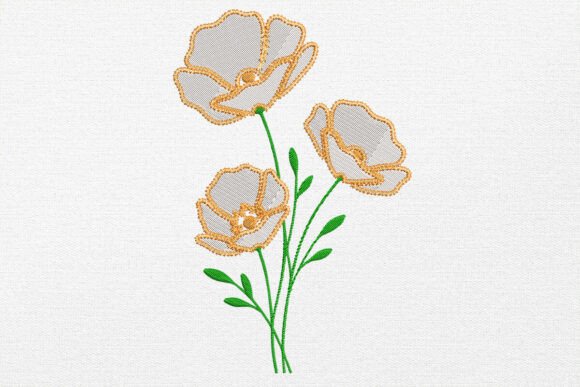
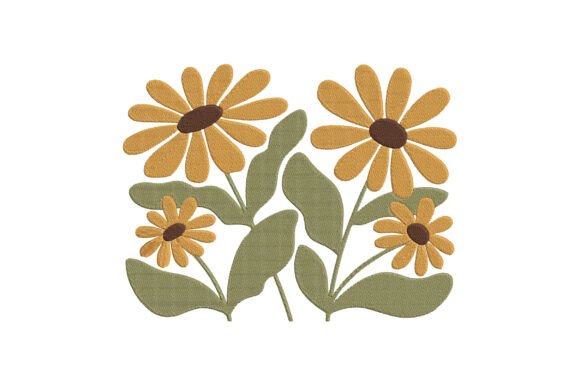
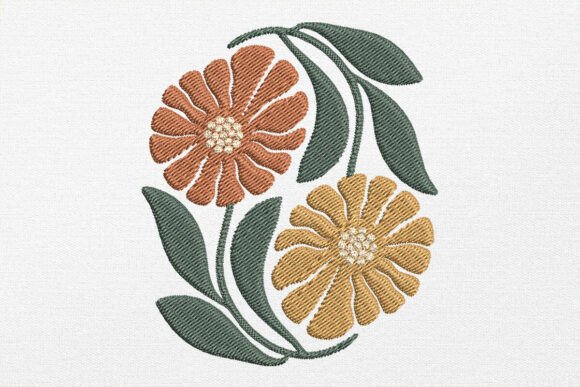
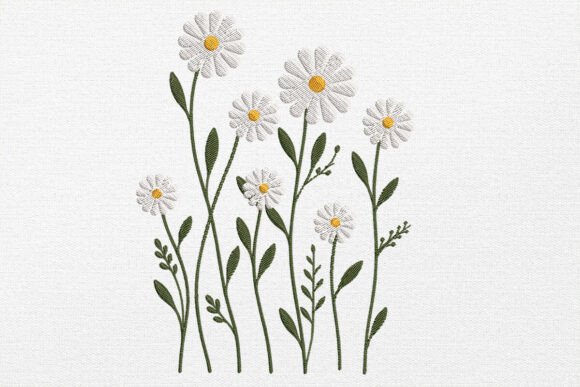
The immediate vibe of the Daisy Flower Embroidery Design is undeniably modern and soft. The description highlights "elegant wildflowers in a minimalist style," and the visual output matches this promise perfectly. Unlike dense, traditional floral patterns that can feel heavy or dated, this design relies on clean lines and open space. It feels decorative yet understated, fitting seamlessly into the current trend of boho-chic home decor and fashion.
For a craft fair setting, this minimalism is a strength. Customers often skim tables quickly; a design that is too busy can look cluttered from a distance. This daisy motif offers a clear, recognizable silhouette that reads well even from across the aisle. It strikes a balance between being cute and feeling premium, which allows you to price your finished product higher than simple novelty items. While it falls under the broader category of Wedding Flowers due to its delicate nature, its versatility extends far beyond bridal showers, making it a year-round staple for spring and summer collections.
Product Versatility and Market Fit
One of the most critical questions I ask when reviewing a new embroidery file is: "Where does this live?" The Daisy Flower Embroidery Design shines on natural fabrics and neutral tones. Here is how it performs across key product categories:
- Tote Bags and Market Bags: This is arguably the strongest application. A tote bag design needs to be bold but not overwhelming. Placing this daisy motif on the corner of a canvas tote creates an elegant accent that appeals to eco-conscious shoppers. It looks intentional and artistic rather than like a corporate logo.
- Apron Embroidery: For kitchenware, the minimalist style prevents the design from looking childish. On a linen or cotton apron, it adds a touch of sophistication. It works particularly well as a chest pocket detail or a lower-hem accent, appealing to customers who love hosting and home aesthetics.
- Tea Towel Embroidery: Textured fabrics can be tricky, but the clean lines of this design hold up well on waffle-weave or flat-weave cotton towels. It transforms a basic utility item into a giftable handmade product, perfect for housewarming presents.
- Embroidered Patches and Caps: If you plan to create an embroidered patch, ensure you check the stitch density. For caps, the curved surface requires careful hooping. This design’s simplicity helps it maintain clarity on curved surfaces, provided the stabilizer is robust enough to prevent puckering.
When considering commercial embroidery for boutiques, remember that this design also works beautifully for pillow covers and small fabric pouches. Its adaptability makes it a reliable asset for diversifying your inventory without needing to purchase entirely new design sets.
Production Practicality for Small Shops
For those of us running small businesses, time is money. A design that looks great but takes four hours to stitch is not viable for a craft fair where you need to replenish stock quickly. The Daisy Flower Embroidery Design appears to be optimized for efficiency. The minimalist approach typically means lower stitch density compared to filled satin-stitch flowers, which reduces thread breakage and machine wear.
However, practical judgment is required. Because the style is minimalist, there is less room for error. Any tension issues or fabric pulling will be more visible than in a dense, complex design. I recommend testing the design on scrap fabric that matches your final product material. Pay close attention to the thread colors you choose. While monochrome looks chic, using a subtle contrast—such as cream thread on white linen or sage green on beige cotton—can enhance the visibility of the delicate lines.
Photography is another major factor. This design photographs exceptionally well for Etsy listings and social media. The clean lines create sharp images that look professional in printable mockup scenarios. If you are selling the digital embroidery file itself, creating high-quality mockups is crucial to showing potential buyers how the design scales on different items.
Careful-Use Notes and Technical Considerations
While the Daisy Flower Embroidery Design is user-friendly, there are specific technical pitfalls to avoid. As an experienced designer, I advise paying attention to the following areas:
- Fabric Texture and Stabilizer: Minimalist designs lack the bulk to hide imperfections. On textured towels or loose-weave fabrics, use a cut-away stabilizer to ensure the stitches remain crisp. Avoid using tear-away stabilizers on stretchy fabrics, as the design may distort after washing.
- Scale and Clarity: If you shrink this design for a small pouch or a child’s item, ensure the fine lines do not merge. Tiny details can get lost if the hoop size is too small relative to the complexity. Always stitch a test sample at your intended size.
- Dark Fabrics: Light, airy designs can disappear on dark fabrics if the thread contrast is not strong enough. Consider using a metallic or bright white thread to make the daisies pop against navy or black backgrounds.
- Commercial Licensing: Before selling any finished product, confirm the license terms of the design assets. Ensure you have the right to sell physical goods made with this file, especially if you are scaling up for larger markets.
Enhancing Brand Consistency and Buyer Engagement
Ultimately, the value of the Daisy Flower Embroidery Design lies in how it strengthens your brand. For sellers focusing on modern, rustic, or bohemian aesthetics, this design reinforces a cohesive visual identity. It signals to customers that your shop values elegance and simplicity. When displayed in a booth, these items invite closer inspection. The tactile quality of embroidery combined with the visual appeal of wildflowers creates an emotional connection, encouraging buyers to pick up the item and imagine it in their homes.
To maximize engagement, pair this design with complementary products. For example, display embroidered tote bags next to matching tea towels. This cross-merchandising technique increases the perceived value of your craft fair product lineup. Furthermore, because the design is versatile, it allows you to cater to various customer segments—from brides looking for Wedding Flowers themed gifts to everyday shoppers seeking unique home decor.
In conclusion, the Daisy Flower Embroidery Design is a strong contender for any embroidery business owner’s library. It balances aesthetic trendiness with production practicality. By carefully selecting fabrics, optimizing stitch parameters, and presenting the final items with professional photography, you can turn this digital file into a consistent revenue stream for your handmade enterprise. Remember to always test on scrap fabric first, check your stabilizer choice, and let the minimalist beauty of the daisy speak for itself.