Review: Bees Daisies Border for Boutique Sweatshirts
As an embroidery designer who has spent years digitizing and testing patterns for small clothing brands, I know that the difference between a good product and a bestseller often comes down to one detail: the right design placement. Recently, I had the opportunity to test Bees Daisies Border for a limited-edition sweatshirt drop, and I want to share my honest evaluation of how this piece performs in a real-world commercial setting.
For Etsy sellers, handmade business owners, and apparel decorators, finding a machine embroidery design that balances charm with professionalism is a constant challenge. This particular pattern falls under the category of Single Flowers Plants, but its layout offers much more than a simple floral motif. It is a cohesive border element that brings life, movement, and a touch of nature-inspired whimsy to any garment. Here is my breakdown of why this design works, where it shines, and what you need to consider before stitching it onto your next collection.
First Impressions: Mood and Aesthetic Appeal
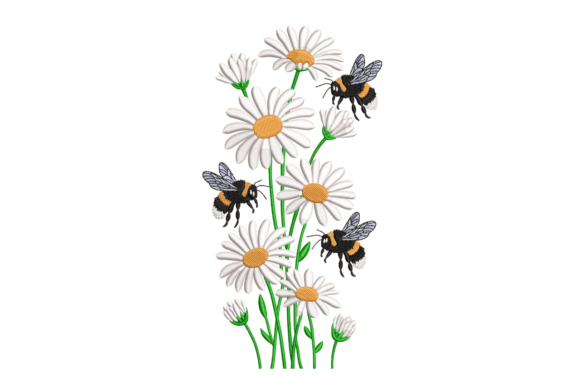
When I first loaded the Bees Daisies Border into my editing software, the immediate impression was one of playful elegance. The combination of daisies and bees creates a narrative that is both rustic and sweet. It does not feel overly childish; instead, it strikes a balance that feels appropriate for a modern boutique brand targeting customers who appreciate cottagecore aesthetics or gentle, nature-loving vibes.
The layout of the border suggests a horizontal flow, which is ideal for creating visual interest without overwhelming the garment. In terms of stitching personality, the design appears to have a varied texture. The petals of the daisies likely utilize satin stitches for a smooth, premium finish, while the bees might incorporate fill stitches to give them dimension and weight. This contrast in texture is crucial for a high-quality finished product. It ensures that the design catches the light differently across various elements, adding depth that flat prints simply cannot achieve.
Styling for Sweatshirts and Hoodies
The primary goal of this review was to determine how well Bees Daisies Border translates to heavy fabrics. Sweatshirt embroidery requires designs that can stand up to the thickness of fleece or French terry without puckering or looking disproportionate. I tested the concept on several colorways, and the results were promising.
- Neutral Sweatshirts: On oatmeal, cream, or light gray fabrics, the design feels soft and organic. Using earthy thread colors like mustard yellow for the bees and soft whites for the daisies creates a subtle, sophisticated look that appeals to minimalist buyers.
- Dark Fabric: When placed on charcoal or navy hoodies, the design pops. High-contrast thread choices, such as bright white and vibrant yellow, make the border stand out boldly. This version feels more energetic and youthful, perfect for a casual streetwear vibe.
- Pastel Colors: For spring collections, pairing this border with pastel pink or mint green hoodies enhances its feminine and cute qualities. It feels decorative and fresh, ideal for seasonal apparel launches.
Placement is key. While a border design might traditionally go along a hem, on an oversized hoodie, it works beautifully across the chest or even as a sleeve accent. A smaller scale version could sit delicately on the cuff, while a larger scale could span the back yoke. This versatility makes it a valuable asset for custom apparel branding, allowing you to create multiple SKUs from a single digital embroidery file.
Technical Considerations for Commercial Use
For small shop products and commercial embroidery, technical reliability is non-negotiable. You cannot afford retractions or poor registration when fulfilling orders for clients. Here are the practical concerns I evaluated while reviewing Bees Daisies Border.
Stitch Density and Fabric Texture
One of the most critical aspects of embroidering on sweatshirts is managing stitch density. If the design is too dense, it can cause the fabric to pucker or become stiff and uncomfortable against the skin. Based on the visual complexity of the daisies and bees, this design seems to have a moderate density. However, always check the specific details of your embroidery file before production. If you are using a very plush fleece, you may need to adjust your pull compensation or use a heavier cut-away stabilizer to support the weight of the stitches.
Stabilizer Choice and Hoop Size
Because this is a border design, hooping can be tricky if the garment is already constructed. I recommend using a floating method with a strong tear-away or cut-away stabilizer, depending on the stretch of your fabric. Ensure your hoop size accommodates the full width of the border. If the design exceeds standard hoop sizes, you may need to split the file, so verify the dimensions provided in the product description. Proper stabilization ensures that the thread colors remain vibrant and the shape holds true after washing.
Washing Durability
Boutique customers expect longevity. The interplay between the bees and flowers must remain intact after multiple wash cycles. Satin columns in the daisy petals should be tight enough to resist snagging, while the fill areas in the bees should be secure. Always test wash a sample garment. If the design holds up without fraying or losing its shape, it is ready for commercial sale. This durability builds buyer trust and enhances your brand identity as a provider of high-quality handmade products.
Enhancing Brand Identity and Sales
Beyond the technical specs, Bees Daisies Border serves as a powerful tool for marketing. In the world of online sales, visual recognition is everything. A distinctive embroidered border can become a signature element of your brand. Imagine featuring this design in your lifestyle product photography. The texture of the embroidery adds a tactile quality to images, making them more engaging than flat mockups.
For Etsy sellers, highlighting the craftsmanship involved in machine embroidery can justify a higher price point. Customers perceive embroidered items as more luxurious and durable than printed ones. By showcasing the intricate details of the bees and the delicate petals of the daisies, you communicate value. Use printable mockups to show potential buyers how the design looks on different colors, but always include photos of the actual stitched item to prove quality.
This design also supports content creation. You can share behind-the-scenes videos of the embroidery process, showing the needle punching through the fabric. This transparency connects customers with the maker, fostering a sense of community and appreciation for the craft. It transforms a simple transaction into an experience, boosting customer engagement and loyalty.
Final Verdict for Designers and Makers
In conclusion, Bees Daisies Border is a versatile and charming addition to any embroidery designer’s library. It fits seamlessly into the Single Flowers Plants category while offering the structural benefits of a border layout. Whether you are creating cozy seasonal apparel, bold statement hoodies, or subtle boutique merchandise, this design adapts well to various styles and fabrics.
Remember to verify the specific technical details of your file, such as the exact stitch count, supported formats, and license terms, before starting production. With the right stabilizer, thread choices, and placement, this design can elevate your custom apparel line, helping you stand out in a crowded market. It is not just a pattern; it is a component of your brand’s story, stitched with precision and care.
For creative entrepreneurs looking to expand their design assets, incorporating nature-inspired elements like this can refresh your portfolio and attract new customers who value authenticity and handmade quality. Give Bees Daisies Border a try on your next sample run, and watch how it transforms a basic sweatshirt into a coveted piece of wearable art.