Review: Organic Flower Embroidery Design for Sweatshirts
As an embroidery designer who has spent years digitizing patterns and consulting with small boutique brands, I know that the difference between a good product and a bestseller often comes down to the chosen motif. Recently, I had the opportunity to evaluate the Organic Flower Embroidery Design for a client preparing a limited-edition sweatshirt drop. This review breaks down how this pattern performs in a real-world commercial setting, specifically focusing on its application in modern apparel.
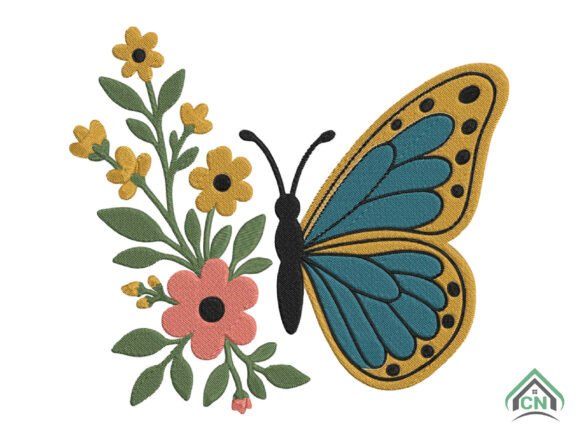
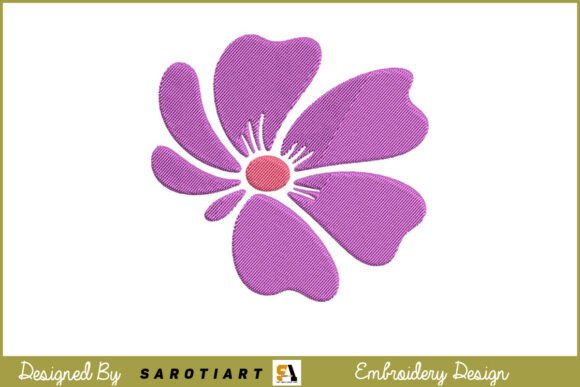
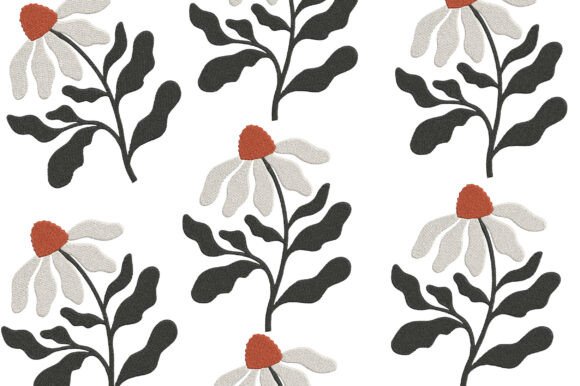
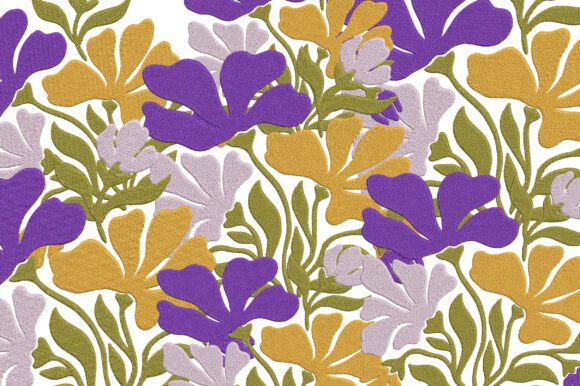
The initial brief was clear: create a line of cozy, premium sweatshirts that feel artistic yet understated. The client needed a design that would appeal to the conscious consumer who values both aesthetics and comfort. Upon loading the digital embroidery file, my first impression was one of fluidity. Unlike rigid, geometric floral patterns, this design features free-flowing shapes that mimic the unpredictability of nature. It sits comfortably within the Single Flowers Plants category but avoids looking like a generic clipart insertion. Instead, it feels like a hand-drawn sketch brought to life through thread.
First Impressions: Mood and Stitch Personality
The mood of the Organic Flower Embroidery Design is distinctly soft, natural, and elegant. For a boutique brand aiming for a minimalist or rustic aesthetic, this is a significant advantage. The layout is balanced, avoiding excessive density that can make fabric pucker or feel stiff. When I examined the stitch path, I noticed a thoughtful variation in direction, which adds texture without overwhelming the garment. This "stitch personality" is crucial for sweatshirt embroidery, where the goal is often to enhance the fabric rather than cover it completely.
For Etsy sellers and handmade business owners, the visual appeal of the finished product is paramount. This design translates beautifully into a finished product that looks high-end. It does not scream "mass-produced"; instead, it whispers "carefully curated." The organic lines suggest a human touch, which builds buyer trust and enhances brand identity. In a market saturated with bold, loud graphics, this subtle approach offers a refreshing alternative for customers seeking quiet luxury.
Application on Sweatshirts and Hoodies
Testing the design on various fabric types revealed its versatility. On neutral-toned sweatshirts, such as oatmeal, sage, or soft grey, the design shines by adding a delicate focal point. I recommend placing it on the left chest for a classic look or slightly off-center for a more contemporary vibe. The free-flowing nature of the petals allows the design to breathe, making it ideal for oversized hoodies where negative space is part of the style.
When applied to dark fabrics, such as charcoal or navy, the thread colors become critical. I found that using matte threads rather than shiny rayon created a more sophisticated, tonal effect. For pastel colors, the design feels playful and feminine, perfect for spring collections. However, designers must pay attention to stitch density. Sweatshirts are thick, and if the density is too high, the embroidery can become board-like. Fortunately, this pattern appears optimized for medium-weight fabrics, maintaining flexibility while ensuring durability.
Placement Strategies for Boutique Merchandise
- Chest Placement: Ideal for a subtle, everyday wear look. Keep the hoop size small to maintain proportion on fitted styles.
- Sleeve Accents: Running the organic stems along the forearm creates a unique, custom apparel feel that stands out in lifestyle product photography.
- Back Designs: Scaling up the design for the upper back can create a bold statement piece, though you must ensure the stabilizer supports the larger area.
For those creating printable mockup previews for their online stores, this design renders exceptionally well. Its clean lines translate clearly in digital images, helping potential customers visualize the texture and quality before purchasing. This clarity is essential for reducing return rates and increasing customer engagement.
Technical Considerations for Production
From a technical standpoint, there are several factors to consider before running this machine embroidery design on production units. First, the choice of stabilizer is non-negotiable. For fleece or heavy cotton sweatshirts, a cut-away stabilizer is recommended to provide long-term support and prevent distortion after washing. Since this is intended for commercial use, durability is key. The design must withstand repeated wash cycles without losing its shape or causing the fabric to bunch.
Another concern is small-size readability. If you plan to use this as a logo element or on smaller accessories like tote bags, test the smallest possible version. Organic shapes can sometimes lose definition if scaled down too far. Always check the specific hoop size requirements and file formats provided with the purchase. While the description highlights the artistic nature of the pattern, it does not specify exact stitch counts or supported formats. Therefore, I strongly advise reviewing these technical details in the product listing before committing to a large batch.
Fabric texture also plays a role. On smooth, high-quality cotton blends, the stitches lay flat and crisp. On textured fleece, the threads may sink slightly, requiring a topping or adjusting the tension. Understanding how the embroidery file interacts with your specific material is part of the professional process. It ensures that every piece from your small shop product line meets consistent quality standards.
Enhancing Brand Value and Identity
Integrating the Organic Flower Embroidery Design into your collection does more than just decorate a garment; it elevates the perceived value of the item. Customers are willing to pay a premium for items that feature intricate, well-executed embroidery because it signals effort and craftsmanship. For a boutique brand, this aligns perfectly with a narrative of sustainability and artistry.
Moreover, consistent use of such distinctive design assets helps build visual recognition. When customers see that specific organic floral motif, they should immediately associate it with your brand. This consistency fosters loyalty and encourages repeat purchases. Whether you are selling on Etsy, at local craft fairs, or through your own website, the professional presentation of embroidered goods sets you apart from print-on-demand competitors.
In conclusion, the Organic Flower Embroidery Design is a versatile and aesthetically pleasing addition to any designer’s library. It bridges the gap between casual comfort and refined style, making it an excellent choice for modern hoodie design projects. By paying attention to technical details like stabilizer choice and thread contrast, you can ensure that your final products not only look beautiful but also stand the test of time. For creative entrepreneurs looking to add a soft, natural touch to their upcoming collections, this pattern is a worthy investment.