Wildflower Embroidery: A Designer’s Review
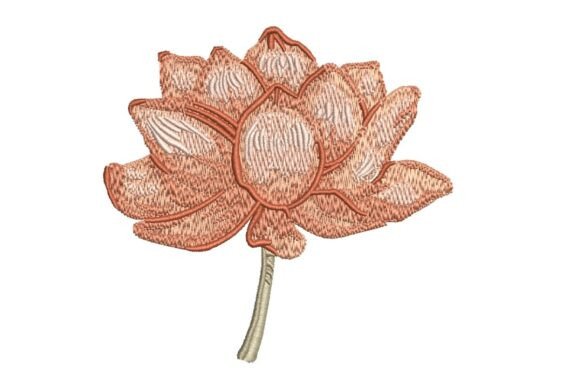
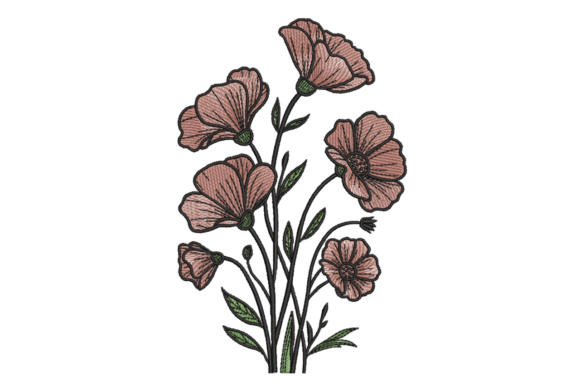
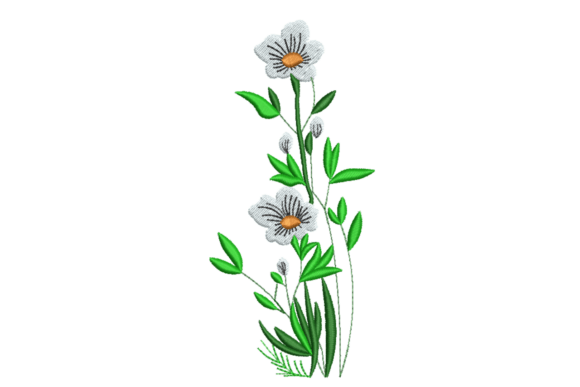
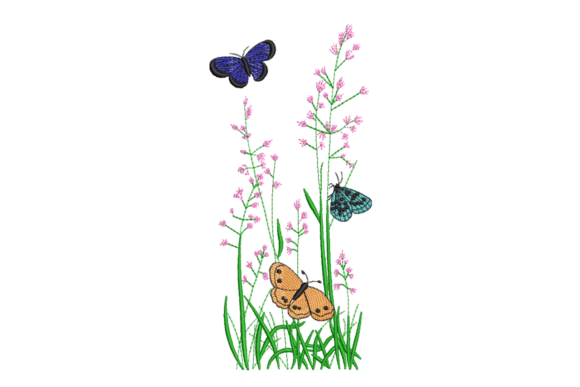
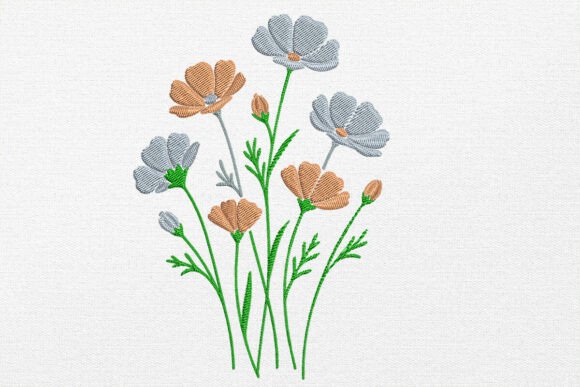
As an embroidery designer who has spent years helping small businesses translate their brand identity into thread, I approach every new machine embroidery design with a critical eye. It is not enough for a pattern to look pretty on a screen; it must perform under the needle, survive the wash cycle, and elevate the perceived value of the final product. Recently, I reviewed Wildflower Embroidery, a piece categorized under Single Flowers Plants, to determine its viability for commercial use. This boho floral embroidery pattern features elegant wildflowers in a minimalist style, positioning it as a strong contender for modern brands seeking a touch of organic sophistication.
First Impressions and Visual Personality
The immediate impression of Wildflower Embroidery is one of understated elegance. In a market saturated with overly complex, high-density designs that can look cluttered on smaller items, this pattern stands out for its restraint. The minimalist approach suggests a brand personality that is friendly, rustic, yet undeniably premium. For handmade brands and Etsy sellers, this visual language communicates authenticity without appearing amateurish. It feels decorative but controlled, striking a balance between classic botanical illustration and modern line art.
For business owners, this aesthetic versatility is crucial. The design does not scream for attention; rather, it invites closer inspection. This makes it an excellent choice for brands that want to convey trust and professionalism through subtle details. Whether you are running a boutique florist shop, a cozy bakery, or a creative studio, the visual consistency offered by such a clean design helps reinforce a cohesive brand image across various touchpoints.
Real-World Applications for Small Business Merch
When evaluating a digital embroidery file for commercial embroidery projects, I always ask: where does this live best? Wildflower Embroidery shines in applications where space is limited but impact is required. Here is how I envision this design performing in real business scenarios:
- Embroidered Patches: This is perhaps the strongest use case. The minimalist lines translate beautifully into a woven or embroidered patch. These can be applied to denim jackets, canvas totes, or even laptop sleeves as branded merchandise. The simplicity ensures that the details do not get lost in the texture of the patch backing.
- Apron Embroidery: For cafes, bakeries, and florists, staff uniforms are walking billboards. Placing this wildflower motif on the chest pocket or lower corner of an apron adds a layer of artisanal charm. It signals to customers that the staff cares about craftsmanship, enhancing the overall service experience.
- Cap Embroidery: Front-panel cap designs require compact, bold imagery. While complex florals often fail here due to curvature issues, the simplified nature of this design allows it to sit cleanly on a structured cap. It serves as a subtle logo accent rather than an overwhelming graphic.
- Tote Bag Design: Canvas tote bags are a staple for retail packaging and event merch. The organic flow of the wildflowers complements the natural texture of cotton canvas. A single, well-placed bloom can turn a generic bag into a desirable accessory, increasing the perceived value of the contents.
- Product Packaging Accents: Imagine this design embroidered on a small fabric tag attached to handmade soaps, candles, or jewelry. It acts as a seal of quality, reinforcing the handmade product narrative and encouraging buyer engagement through tactile branding.
Technical Considerations and Production Notes
While the aesthetic appeal is high, technical execution is where many designs fail. As a designer, I have specific concerns regarding stitch density and fabric interaction that business owners must address before full-scale production.
Stitch Density and Fabric Texture: Minimalist designs often rely on open spaces. If the stitch density is too low, the fabric may show through uncomfortably, especially on dark uniforms. Conversely, if the density is too high on delicate fabrics, it can cause puckering. I recommend testing this design on the exact fabric texture you intend to use. For textured fabrics like terry cloth or heavy canvas, ensure the design has sufficient underlay stitches to anchor properly.
Small Patch Sizes and Detail Loss: When scaling down for small patches or left-chest logos, fine lines can merge. Before committing to a large run, embroider a test sample at the intended size. Check if the individual petals remain distinct or if they blur into a solid mass. If the details vanish, you may need to simplify the design further or increase the size.
Curved Surfaces and Hoop Size: Cap embroidery presents unique challenges due to the curved surface. Ensure your hoop size accommodates the design without distortion. Using a proper stabilizer is non-negotiable here; a cut-away stabilizer is often best for caps to maintain shape after washing. Always create a printable mockup for client approval to visualize how the design wraps around the curve.
Thread Colors and Contrast: The elegance of this design relies heavily on thread color contrast. On dark uniforms, a single metallic or bright pastel thread can make the wildflower pop. On light fabrics, tonal embroidery (using a thread color slightly darker than the fabric) creates a sophisticated, embossed look. Test different thread combinations to see which aligns best with your brand identity.
Enhancing Brand Identity and Customer Trust
Incorporating Wildflower Embroidery into your product line is not just about decoration; it is a strategic move to enhance brand recognition. Consistent use of high-quality embroidery on customer gifts, staff apparel, and packaging builds trust. It signals that you invest in quality details, which translates to perceived quality in your primary products.
For Etsy sellers and craft businesses, offering items with this design can differentiate you from competitors using generic print-on-demand services. The tactile nature of embroidery creates an emotional connection with the buyer. When a customer receives a tote bag or apron with a carefully stitched wildflower, they feel they are receiving a bespoke item, not a mass-produced commodity. This increases customer loyalty and encourages social sharing, which is invaluable for organic marketing.
Final Designer Recommendations
Before integrating this design into your commercial workflow, follow these practical steps:
- Test in Black and White: Convert the design to monochrome in your software to check for clarity. If it looks good in black and white, it will work in any color scheme.
- Verify Commercial Licensing: Confirm the license terms included with the digital embroidery file. Ensure you have the right to use it for finished products sold to customers.
- Check File Formats: Ensure the file format is compatible with your embroidery machine. If not provided, contact the seller for the correct format to avoid conversion errors.
- Create Design Assets: Compare this design beside other brand assets to ensure visual harmony. It should complement, not clash with, your existing logo or typography.
- Inspect Spacing: Look closely at the spacing between elements. Tight spacing can cause thread breaks or bird nests during high-speed embroidery.
In conclusion, Wildflower Embroidery is a versatile and professional asset for small business merch. Its minimalist, boho style offers a modern twist on traditional floral motifs, making it suitable for a wide range of applications from aprons to patches. By paying attention to technical details like stabilizer choice and stitch density, you can leverage this design to create high-value, branded items that resonate with your customers. Always prioritize testing on real fabric to ensure the finished product meets your standards of excellence.