Review: Lilac Daisy Spray for Small Business Merch
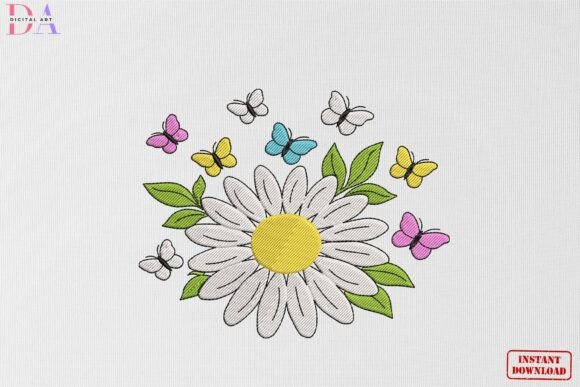
As an embroidery designer who has spent years digitizing and testing designs for commercial use, I approach every new machine embroidery design with a critical eye. It is not just about whether a motif looks pretty on a screen; it is about how it performs in the real world of small business merchandise. Today, I am reviewing Lilac Daisy Spray with Falling Petals, a piece from the Single Flowers Plants category, to determine its viability for branded patches, custom apparel, and boutique product lines.
For Etsy sellers, local cafés, florists, and handmade brands, the right graphic can elevate a simple tote bag or apron into a high-value asset. Let us dive into how this specific Embroidery design holds up under professional scrutiny.
First Impressions: Visual Personality and Brand Fit
The title Lilac Daisy Spray with Falling Petals immediately suggests a soft, organic aesthetic. In the context of brand identity, this design leans heavily into the "friendly," "rustic," and "handmade" spectrum. It does not scream corporate rigidity; instead, it whispers approachability and care. For a small business, this is a powerful tool. Customers often associate floral motifs with freshness, natural ingredients, and personal touch.
Visually, the concept of a "spray" implies movement and asymmetry, which is far more engaging than a static, centered flower. The addition of "falling petals" adds a dynamic element that can make the finished product feel alive. However, from a design review perspective, dynamic elements are double-edged swords. They look beautiful but require precise digitizing to ensure those falling petals do not turn into a messy cluster of threads during production.
If your brand values elegance, playfulness, or a connection to nature, this design aligns perfectly. It is ideal for bakeries, pet brands, bridal boutiques, or creative studios looking to soften their visual presence. It is less suitable for industrial or high-tech sectors where bold, geometric precision is preferred.
Real-World Applications for Small Business Merch
Where does Lilac Daisy Spray with Falling Petals truly shine? I have evaluated its potential across several common commercial embroidery projects.
- Embroidered Patches: This is perhaps the strongest use case. A patch allows you to control the background fabric and stabilizer completely. The spray layout works well on circular or organic-shaped patches, creating a sticker-like effect that customers love to collect or iron onto jackets.
- Apron Embroidery: For florists, bakers, or baristas, an apron is a walking billboard. Placing this design on the chest pocket or lower corner adds a touch of professionalism without being overwhelming. The floral theme reinforces the nature of the work.
- Tote Bag Design: Canvas totes are staples for retail shops. The lilac and daisy color palette typically translates beautifully onto natural cotton or beige canvas, creating a cohesive, earthy look that appeals to eco-conscious buyers.
- Cap Embroidery: Using this as a side-panel detail or a subtle front accent can differentiate a staff uniform. However, the curvature of a cap requires careful placement to ensure the "falling petals" do not distort.
- Product Packaging Accents: Imagine this design embroidered on a small fabric tag attached to handmade soaps or candles. It serves as a premium finishing touch that justifies a higher price point.
When used in these contexts, the design acts as more than decoration; it becomes a core part of your brand identity. It signals to the customer that attention to detail matters.
Technical Considerations and Production Challenges
While the aesthetic is promising, we must address the technical realities of turning a digital file into a physical object. As a designer, I advise caution in the following areas when working with Lilac Daisy Spray with Falling Petals.
Stitch Density and Detail: Floral designs often suffer from high stitch density if not optimized. If the petals are too small or packed too tightly, the thread can bunch up, causing puckering. Before running a full batch, check the stitch density settings. You may need to reduce density slightly for softer fabrics like jersey knits.
Fabric Texture and Stability: This design will behave differently on a stiff denim jacket versus a lightweight linen shirt. On textured fabrics, fine details like thin stems or small petals might get lost. Always test on the actual material you plan to sell. Using the correct stabilizer is non-negotiable here; a cut-away stabilizer is often safer for garments that will undergo frequent washing, ensuring the design retains its shape over time.
Size Constraints: Do not attempt to shrink this design too much. The "spray" element needs room to breathe. If you reduce it below a certain threshold, the falling petals may merge with the main flower, losing the intended artistic effect. Always verify the minimum recommended size provided with the digital embroidery file.
Color Contrast: Lilac is a pastel shade. If you are embroidering on dark uniforms, such as navy or black, the design may lack visibility unless you use a satin stitch border or underlay effectively. Consider creating a version with brighter thread colors or adding a white outline to ensure pop against dark backgrounds.
Enhancing Brand Trust and Customer Engagement
Why go through the trouble of high-quality embroidery instead of printing? The tactile nature of embroidery conveys permanence and quality. When a customer touches an embroidered patch or logo, they perceive higher value. Lilac Daisy Spray with Falling Petals, when executed well, contributes to this perception.
Consistency is key. If you use this design on your staff uniforms, ensure it matches the tone of your social media graphics and packaging. This visual consistency builds recognition. A well-placed floral accent on a coffee cup sleeve or a thank-you card insert can create a memorable unboxing experience, driving repeat business and positive reviews.
Furthermore, offering items with this design as limited-edition merch can drive engagement. For example, a "Spring Collection" featuring this motif on tote bags can create urgency and excitement among your existing customer base.
Practical Designer Notes for Implementation
Before you purchase the embroidery file and start production, follow this checklist to ensure success:
- Check Licensing: Confirm that the file includes commercial licensing. You need explicit permission to use the design on items you intend to sell.
- Verify File Formats: Ensure the download includes the format compatible with your machine (e.g., PES, DST, JEF). Do not assume conversion software will maintain quality.
- Create a Printable Mockup: Use design software to place the image on a photo of your product. This helps you visualize scale and placement before stitching a single thread.
- Test Stitch-Out: Always run a test on scrap fabric identical to your final product. Check for thread breaks, nesting, and registration issues.
- Evaluate Thread Colors: Match your thread chart to the design. Sometimes, the default colors in the preview do not translate well to physical thread spools. Adjust hues for better contrast.
- Consider Hoop Size: Ensure your hoop can accommodate the full width of the spray. If you need to re-hoop, alignment errors can ruin the design's flow.
In conclusion, Lilac Daisy Spray with Falling Petals is a strong contender for small businesses aiming to project a warm, artisanal image. It fits seamlessly into the Single Flowers Plants category and offers versatility across various custom apparel and accessory types. By respecting the technical limitations and focusing on high-quality execution, you can transform this digital asset into a tangible driver of brand loyalty and sales.