Review: Hanging Herbs Kitchen for Holiday Decor
As an embroidery designer who spends countless hours refining digital files for seasonal collections, I approach every new machine embroidery design with a critical eye. It is not just about whether the pattern looks pretty on a screen; it is about how it performs in the hands of a creator and, ultimately, in the home of a customer. When I first loaded the Hanging Herbs Kitchen file into my software, I was immediately struck by its versatility. This is not merely a botanical motif; it is a mood setter. For those of us building a seasonal shop collection for the upcoming holidays, this design offers a bridge between rustic charm and modern elegance.
The Aesthetic Appeal and Seasonal Mood
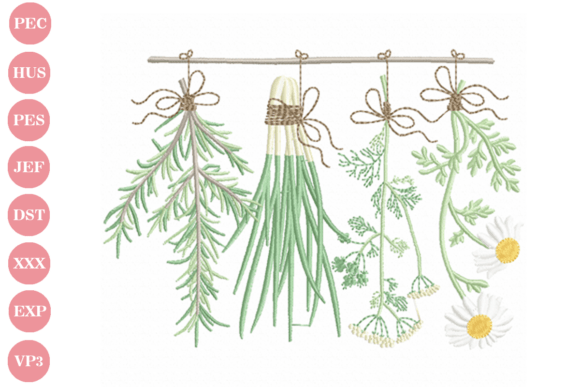
The first impression of Hanging Herbs Kitchen is one of cozy nostalgia. In the context of holiday shopping, customers are often looking for items that evoke warmth and tradition. This elegant botanical embroidery pattern features delicate herbs that feel both timeless and fresh. Unlike overly flashy holiday motifs that scream for attention, this design whispers. It fits perfectly within the Single Flowers Plants category, yet it carries enough visual weight to stand alone as a focal point.
For an Etsy seller or small business owner, the emotional tone of a design is crucial. This piece feels organic and grounded. It suggests a slow-living lifestyle, which is a massive trend in home decor right now. Whether you are aiming for a farmhouse aesthetic or a minimalist modern look, the clean lines and balanced composition of this embroidery file allow it to adapt. It does not feel cluttered, which is essential when working with smaller hoop sizes or intricate fabric textures.
Strategic Product Applications for the Holidays
When planning a product drop, I always ask: "Where does this design live?" For Hanging Herbs Kitchen, the answer is everywhere, but specifically in spaces where people gather to cook, eat, and share gifts. Here is how I envision this design performing in real selling situations:
- Kitchen Towels and Aprons: This is the most obvious application. The design’s name says it all. Embroidering this onto high-quality linen tea towels creates an instant handmade gift that feels premium. For aprons, placing the design on the bib or the lower pocket adds a professional touch that elevates a simple garment into a cherished kitchen staple.
- Tote Bags: A canvas tote featuring this botanical pattern makes for an excellent eco-friendly holiday gift. The tote bag design potential is huge here, especially if paired with natural thread colors like sage green, terracotta, or cream.
- Sweatshirt Embroidery: Moving beyond the kitchen, this design works beautifully on apparel. A left-chest placement on a neutral-colored sweatshirt creates a subtle, stylish look. It appeals to customers who want seasonal embroidery that they can wear year-round, not just during December.
- Pillow Covers and Table Runners: For home decor enthusiasts, stitching this onto pillow covers or table runners adds texture and interest to holiday dining tables. It pairs well with other natural elements like dried flowers or wooden centerpieces.
Navigating Technical Challenges and Fabric Choices
While the design is beautiful, practical execution requires attention to detail. As a designer, I must advise caution in specific scenarios to ensure the finished product meets quality standards. The delicate nature of the herbs means that stitch density is a critical factor. If the density is too high, the fabric may pucker; if too low, the details may get lost.
When working with thick towels, using the correct stabilizer is non-negotiable. A cut-away stabilizer might be necessary to support the weight of the stitches without distorting the fabric texture. Additionally, if you are stitching on dark fabric, you must carefully select your thread colors. Standard greens might not pop against navy or black. Consider using variegated threads or slightly lighter shades to ensure the design remains visible and vibrant.
Another consideration is the hoop size. While this design is versatile, shrinking it down for tiny items like baby bibs or small ornaments requires checking the legibility of the finer details. Always stitch a test sample on your specific fabric before committing to a full production run. This is especially true for stretchy garments or curved caps, where distortion can occur easily.
Boosting Brand Value and Customer Trust
In the competitive landscape of commercial embroidery, consistency is key. Using a cohesive design like Hanging Herbs Kitchen helps build brand recognition. When customers see this level of detail and elegance, they associate it with quality. This builds trust, which is essential for converting browsers into buyers during the hectic holiday season.
Furthermore, this design enhances the "giftability" of your products. A simple kitchen towel becomes a thoughtful personalized gift when monogrammed alongside these herbs. Offering customization options can significantly increase the perceived value of your items. For social media previews, the visual appeal of this design translates well into printable mockup graphics. The clean lines photograph beautifully, allowing you to create engaging content that stops the scroll.
Practical Notes for the Embroidery Creator
Before you add this to your cart or start stitching, here are my final professional recommendations:
- Check File Specifications: Since the exact stitch count and file formats are not specified in the brief description, always verify these details with the provider. Ensure you have the correct format for your machine (PES, DST, JEF, etc.).
- Test Thread Palettes: Create a color chart. Test how different green tones look on both light and dark fabrics. Sometimes, a unexpected color like a muted gold or soft grey can make the herbs stand out more than traditional green.
- Review Commercial Licensing: If you plan to sell finished items, confirm the licensing terms. Most digital embroidery files come with specific rules regarding mass production versus small shop sales.
- Mockup Realistically: When creating listings, use photos that show the texture of the stitch. Close-up shots help customers appreciate the quality of the Embroidery work, distinguishing your product from printed alternatives.
In conclusion, Hanging Herbs Kitchen is a strong contender for any seasonal collection. It balances aesthetic beauty with practical application, making it a valuable asset for creators looking to expand their holiday offerings. By paying attention to technical details and leveraging its versatile appeal, you can create products that resonate with customers seeking warmth, elegance, and handmade charm.