Review: Cute Smiling Sunflower Embroidery Design
As an embroidery designer who has spent years digitizing and testing files for commercial use, I approach every new machine embroidery design with a critical eye. It is not enough for a pattern to simply look cute on a screen; it must perform under the needle, hold up to washing, and serve a strategic purpose for the business owner using it. Recently, I evaluated the Cute Smiling Sunflower Embroidery Design, a vibrant piece from the Single Flowers Plants category, to determine its viability for small business merchandise and branded applications. Here is my professional assessment of how this digital embroidery file translates into real-world value.
First Impressions: Visual Personality and Brand Fit
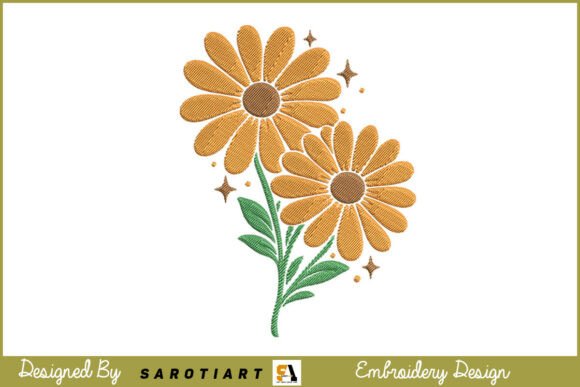
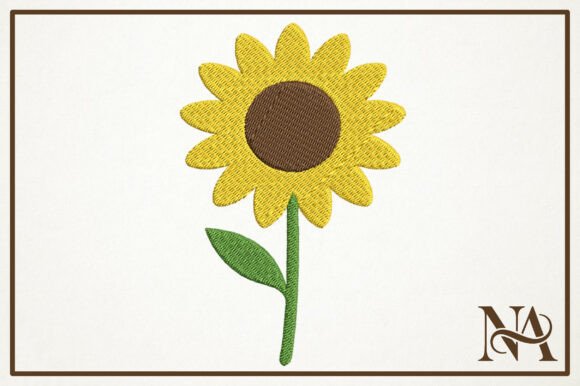
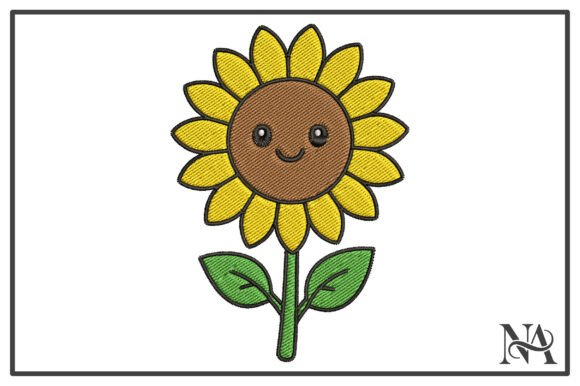
The immediate impression of the Cute Smiling Sunflower Embroidery Design is one of approachable warmth. The inclusion of a smiling face within the floral motif shifts the tone from purely decorative to character-driven. This makes the design feel playful, friendly, and distinctly handmade. For brands aiming to project a rustic, organic, or community-focused image, this aesthetic is invaluable. It does not scream "corporate sterile"; instead, it whispers "local boutique care."
However, professionalism in embroidery is often about restraint. While the design is undeniably cheerful, its success depends on execution. The bright colors suggested by the description imply high visibility, which is excellent for brand recognition but requires careful management of thread colors to avoid looking chaotic. When reviewing such a design, I look for clean lines and balanced proportions. A well-digitized sunflower should have defined petals that do not merge into a solid blob of yellow thread, ensuring the "smile" remains legible even at smaller sizes.
Strategic Applications for Small Business Merch
For Etsy sellers, bakery owners, florists, and creative studios, the versatility of this design is its strongest asset. I envision several high-impact applications where the Cute Smiling Sunflower Embroidery Design can drive sales and enhance brand identity.
- Embroidered Patches: This is perhaps the most lucrative application. A satiny, merrowed-edge patch featuring this sunflower can be sold as a standalone product or used as a value-add for clothing purchases. Patches allow customers to customize their own gear, increasing engagement with your brand.
- Staff Uniforms and Aprons: For cafés and flower shops, apron embroidery serves as a walking advertisement. Placing this design on the chest pocket or lower corner of a canvas apron adds a touch of personality to staff uniforms without overwhelming the professional look. It signals to customers that the business values charm and detail.
- Tote Bag Design: Canvas tote bags are staples for eco-conscious brands. Embroidering this sunflower on a natural cotton tote creates a textured, premium feel that printed ink cannot replicate. It elevates a simple bag into a desirable accessory.
- Cap Embroidery: A small version of this design on the front or side of a dad hat or baseball cap can serve as a subtle brand mark. However, curvature is a challenge here, which leads to important technical considerations.
Technical Considerations and Production Notes
Before running this embroidery file on a production machine, there are critical technical factors to address. As a designer, I always advise testing the design on the actual fabric intended for the finished product. Fabric texture plays a massive role in how stitches lay down. A rough canvas will absorb threads differently than a smooth polyester blend.
Stitch density is another crucial element. If the design is too dense, it can cause puckering, especially on lighter fabrics like t-shirts or tote bags. Conversely, if the density is too low, the backing material might show through. I recommend checking the digitizing quality by examining the spacing between the petals and the face details. There should be enough overlap to cover the fabric but enough separation to maintain definition.
When considering cap embroidery, remember that the surface is curved and often stiff. The design must be scaled appropriately to fit the available space without distorting the smile. Similarly, for small patches, fine details may get lost. I strongly suggest creating a printable mockup or stitching out a test sample at the intended size before committing to a large batch of custom apparel.
The Importance of Stabilizers and Hoop Size
No matter how beautiful the design, poor stabilization can ruin the result. For stretchy fabrics like jersey knits used in t-shirts, a cut-away stabilizer is essential to prevent distortion after washing. For woven fabrics like denim or canvas aprons, a tear-away might suffice, but a cut-away ensures longevity. Always confirm the required hoop size before purchasing. If the design is larger than your standard hoop, you may need to split the design or invest in a larger machine capability, which impacts production time and cost.
Impact on Brand Identity and Customer Trust
Consistency in visual assets builds trust. Using the Cute Smiling Sunflower Embroidery Design across various touchpoints—from packaging accents to staff shirts—creates a cohesive brand narrative. It tells customers that your business is attentive to detail. In the world of handmade products, perceived value is heavily influenced by the quality of finishing. An embroidered logo or motif feels more permanent and premium than a heat-transfer vinyl or screen print.
Furthermore, this design aids in buyer engagement. People are drawn to faces, even stylized ones like a smiling flower. It triggers an emotional response, making the merchandise feel friendlier and more inviting. For small businesses competing against large retailers, this emotional connection is a key differentiator. It transforms a generic item into a piece of branded memorabilia that customers are proud to wear or display.
Where to Use Caution
While versatile, this design is not suitable for every context. Avoid using it on formal corporate attire where a minimalist aesthetic is required. Additionally, be cautious with dark uniforms if the thread colors do not offer sufficient contrast. A bright yellow sunflower may pop on black, but if the smile details are subtle, they might disappear. Always test thread color combinations against your specific fabric swatches.
Also, consider the washing instructions. Items that undergo industrial laundering, such as hospital scrubs or heavy-duty workwear, may degrade the embroidery over time if the stitch count is excessively high or the tension is incorrect. Ensure that the commercial embroidery settings are optimized for durability.
Final Verdict for Designers and Makers
The Cute Smiling Sunflower Embroidery Design is a strong contender for small business merchandising, particularly for brands in the lifestyle, food, and floral sectors. Its strength lies in its ability to convey warmth and professionalism simultaneously. However, success depends on rigorous testing. Check the license terms to ensure commercial use is permitted. Verify the file formats compatible with your machine. Test on various fabrics with appropriate stabilizers.
By treating this digital asset as a core component of your brand identity rather than just a decoration, you can leverage it to create high-value custom apparel, memorable patches, and distinctive tote bags. When executed with precision, this design does more than embellish; it communicates the heart of your business to every customer who sees it.