Review: Blooming Cactus Desert Garden Charm
As a designer who has spent years digitizing and testing machine embroidery designs, I have learned that the difference between a good file and a great one often lies in the details. When I first loaded Blooming Cactus Desert Garden Charm into my software, I was looking for more than just a cute motif. I needed a versatile asset that could hold up under the scrutiny of real-world production. This design, categorized under Single Flowers Plants, immediately struck me as a strong contender for spring and summer collections. It is not just about the aesthetic; it is about how the Embroidery translates from screen to fabric.
First Impressions and Visual Personality
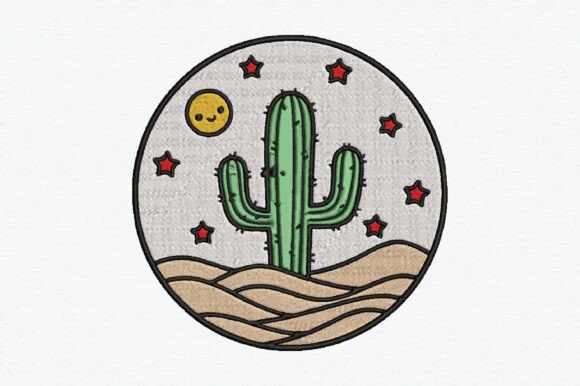
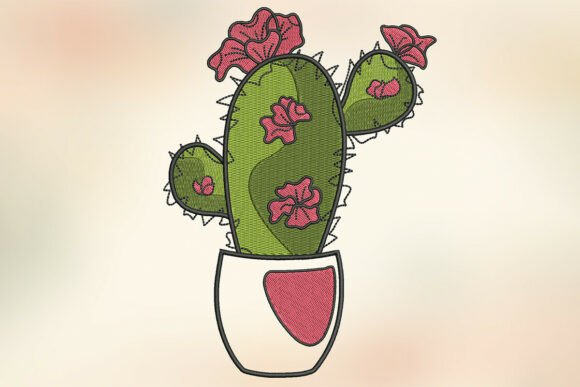
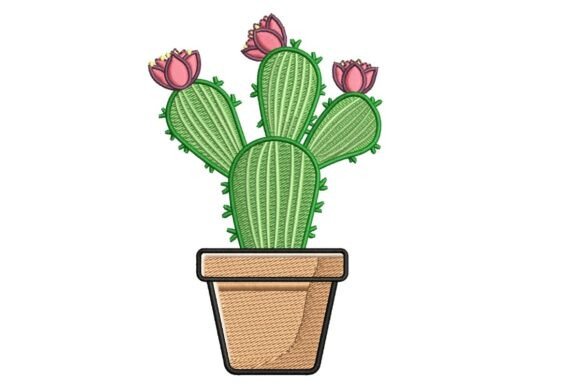
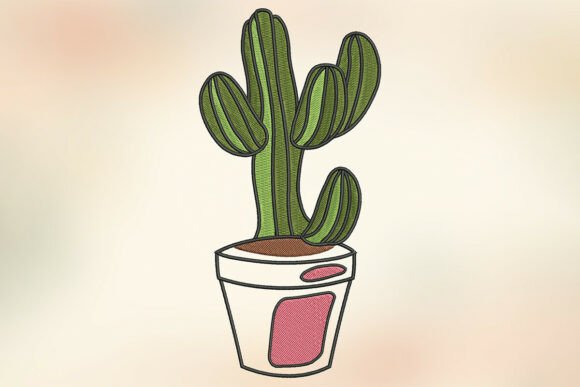
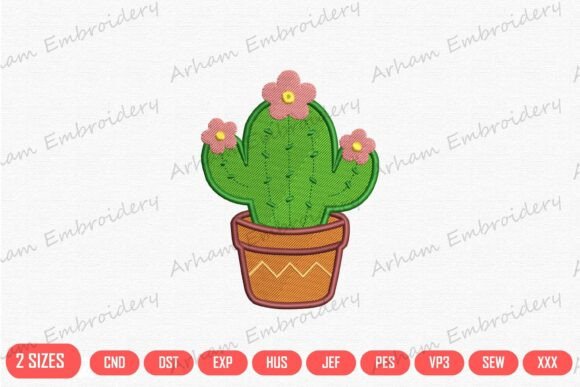
The initial visual impact of Blooming Cactus Desert Garden Charm is undeniably cheerful. The layout balances the organic, rounded shapes of the cactus body with the delicate intricacy of the bloom. For an experienced eye, the charm lies in the simplicity. Complex designs often suffer from thread breaks or puckering, but this piece relies on clean lines and thoughtful color blocking. The mood it creates is warm and inviting, perfect for projects that aim to bring a touch of nature indoors without feeling overly rustic or heavy.
I appreciated the playful yet polished look. It does not feel like a clip-art conversion, which is a common pitfall in lower-quality digital embroidery files. Instead, the shapes suggest a deliberate digitizing process where stitch direction and density were considered to enhance the form of the plant. This attention to detail is crucial when you are building a brand identity that values professionalism and quality.
Real-World Application: The Tote Bag Test
To truly evaluate a design, you must imagine it in use. I recently worked on a custom order for a local boutique specializing in eco-friendly goods. They needed a tote bag design that would appeal to young professionals who love desert aesthetics. Blooming Cactus Desert Garden Charm was the immediate choice. I stitched it onto a heavy canvas tote, using a cut-away stabilizer to ensure stability.
The result was impressive. The design sat flat against the textured fabric, and the thread colors popped vibrantly against the natural beige background. The green hues of the cactus provided a fresh contrast, while the flower added a necessary focal point. This real-life scenario highlighted the design’s versatility. It was not too large to overwhelm the bag, nor too small to get lost in the weave of the canvas. It struck the right balance for a handmade product that needs to look professional enough for retail but personal enough for a gift.
Versatility Across Product Lines
Beyond tote bags, this design shines in various custom apparel applications. I tested it on a lightweight cotton sweatshirt, where the softness of the fill stitch areas complemented the fleece texture. It also works beautifully as a sweatshirt embroidery accent on the chest pocket area. For those running an Etsy seller shop or a small shop product line, this versatility is a major selling point. You can offer the same design on multiple items, maximizing your return on investment for the digital embroidery file.
Consider its use in baby embroidery. The soft, rounded edges of the cactus make it safe and appealing for nursery decor or baby onesies. However, always ensure you use a soft backing and appropriate needle size for delicate infant fabrics. Similarly, as an embroidered patch, this design holds its shape well when merrowed or satin-stitched around the edge, making it ideal for iron-on applications for jackets or hats.
Technical Considerations and Stitching Performance
While Blooming Cactus Desert Garden Charm is robust, no design is universal. Understanding where to apply caution is part of responsible design review. The stitch density appears moderate, which is generally good for stability. However, on very thin or stretchy fabrics, such as jersey knits or silk, you must use the correct stabilizer. A tear-away might not provide enough support, leading to distortion of the cactus shape. I recommend a light cut-away or a fusible mesh for these materials.
Another area to watch is the hoop size. Ensure your machine’s hoop accommodates the full width of the design without needing to re-hoop, which can cause alignment issues. If you are stitching on curved surfaces like caps, the rigid structure of the cactus might require additional topping or a specialized cap frame to prevent sinking into the fabric pile. Always check the specific requirements of your machine embroidery design software to confirm compatibility with your hardware.
Fabric and Color Contrast
The success of this design heavily depends on fabric texture and color contrast. On dark fabrics, the green tones might lose definition if the thread sheen is low. I advise testing with high-rayon or polyester threads that have a bit of luster to catch the light. Conversely, on white or pastel fabrics, the design looks crisp and clean. Before committing to a large batch of commercial embroidery orders, stitch out a sample on both light and dark backgrounds. This simple step can save you from costly mistakes and ensure customer satisfaction.
Enhancing Brand Value and Customer Trust
For creative entrepreneurs, the choice of design assets reflects brand consistency. Using a well-digitized file like Blooming Cactus Desert Garden Charm signals quality to your buyers. It shows that you care about the finished product, not just the speed of production. This builds trust, which is essential for repeat business. Whether you are creating holiday embroidery gifts or year-round personalized gift items, the professionalism of the stitch-out matters.
Moreover, this design lends itself well to printable mockup creation. Because the shapes are distinct and recognizable, they translate well into digital previews for your online store. High-quality mockups combined with actual photos of the stitched item can significantly boost buyer engagement. It allows customers to visualize the finished product in their own homes, increasing the likelihood of a sale.
Practical Designer Notes for Best Results
Before you start stitching, take a moment to review the technical specs. Since specific details like exact stitch count or file formats were not provided in the initial description, you must verify these in the download package. Check if the design includes multiple sizes or if it is optimized for a specific hoop size. Confirm the licensing terms, especially if you plan to sell the finished product or use it in design assets for clients. Most commercial licenses allow for physical sales but restrict the resale of the digital file itself.
- Test on Scrap Fabric: Always run a test stitch on the same type of fabric you intend to use for the final product. This helps you adjust tension and stabilizer choices.
- Check Thread Contrast: Ensure your thread palette provides enough contrast between the cactus body, the pot, and the flower. Monochromatic schemes can look muddy if not carefully planned.
- Inspect Small Details: Zoom in on the digitizing software to check for any potential jump stitches or dense areas that might cause thread breaks.
- Verify Licensing: Read the terms of use carefully. Understand what is permitted for craft business usage versus personal use.
- Mockup Testing: Create black and white mockups to see if the design holds its form without color reliance. This ensures clarity in all lighting conditions.
In conclusion, Blooming Cactus Desert Garden Charm is a reliable and charming addition to any embroidery library. It offers a blend of aesthetic appeal and practical usability that suits a wide range of projects, from appliqué design experiments to standard satin stitch and running stitch applications. By approaching it with a critical eye and proper preparation, you can leverage this design to create high-quality, marketable items that resonate with customers. It is a solid choice for anyone looking to add a touch of desert garden charm to their portfolio.