Review: Beautiful Floral Embroidery Design for Craft Fairs
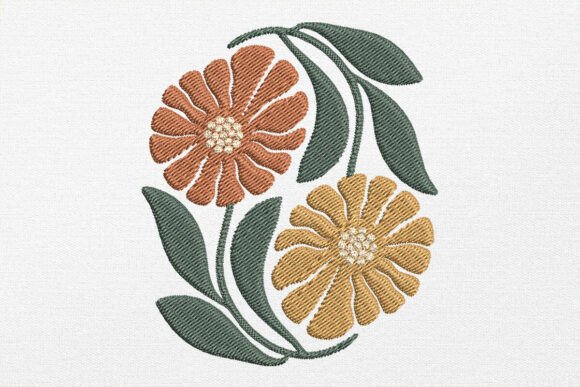
As an embroidery designer who has spent countless weekends behind a booth table, I know that the difference between a browser and a buyer often comes down to visual impact. When I first loaded the Beautiful Floral Embroidery Design into my software, my immediate thought was about its potential as a high-converting craft fair product. This piece belongs to the Floral Garden category, and it immediately strikes a balance between elegance and approachability. It is not overly rustic, nor is it starkly modern; instead, it offers a soft, decorative appeal that fits seamlessly into the current market for handmade goods.
First Impressions and Visual Appeal
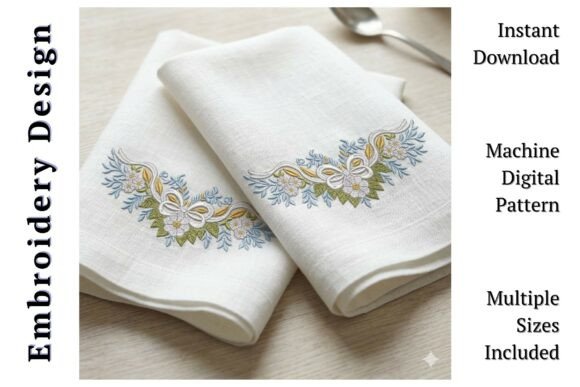
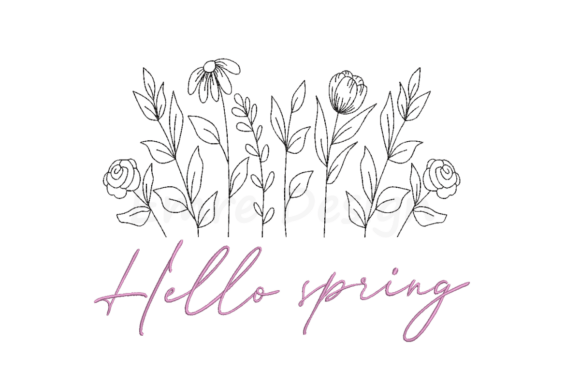
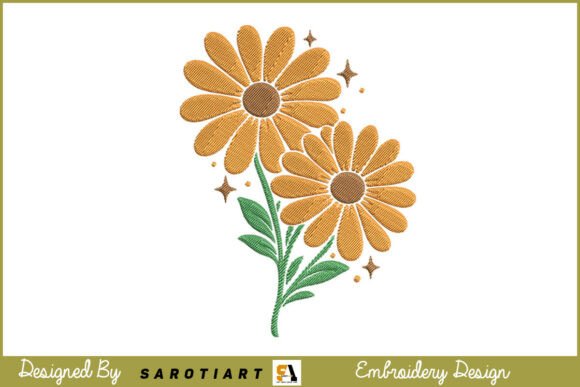
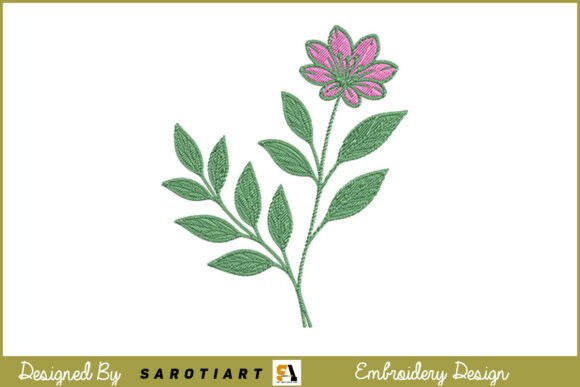
The description notes that this design captures the pure essence of blooming nature, with soft, graceful petals unfolding in harmony. In practical terms, this means the machine embroidery design likely relies on smooth satin stitches or well-balanced fill stitches rather than chaotic, dense textures. For a craft fair setting, this is crucial. Customers walking past your booth need to understand what they are looking at within three seconds. A design that is too abstract or cluttered often gets ignored. This floral motif, with its delicate leafy accents, offers a clear, recognizable subject that feels premium and thoughtful.
The aesthetic leans towards elegant and soft, making it versatile. It does not scream "funny" or "festive," which limits its seasonal shelf life, but rather positions it as a year-round staple. This consistency is vital for building a cohesive brand identity. When you place this next to other items in your booth, it should enhance the overall perception of quality, suggesting that your handmade product line is curated with care.
Product Applications for Maximum Sales
To maximize revenue, you must match the design to the right substrate. Based on the graceful nature of the petals, here is how I would deploy this Beautiful Floral Embroidery Design across various products:
- Tote Bags and Market Bags: This is arguably the strongest application. A tote bag design featuring this floral element appeals to the eco-conscious shopper who wants utility mixed with beauty. The design works well as a central focal point on canvas or cotton totes.
- Aprons and Kitchen Textiles: An apron embroidery using this motif adds a touch of sophistication to kitchen wear. Similarly, tea towel embroidery benefits from the delicate leafy accents, provided the stitch density is low enough to keep the towel functional and soft.
- Caps and Headwear: Exercise caution here. Curved surfaces can distort intricate details. If the petals are too wide, they may pucker. However, if scaled correctly, it makes for a charming, feminine cap design.
- Embroidered Patches: Creating an embroidered patch allows customers to buy a lower-cost item. Ensure the border is tight and the backing is secure. This is an excellent impulse buy item for your display.
- Pillow Covers: For home decor, this design can serve as a corner accent or a central medallion. It elevates a simple linen cover into a boutique-style item.
Production Practicality and Batch Efficiency
For those of us running small shops, time is money. One of the key questions I ask when reviewing a new digital embroidery file is: "Can I produce this efficiently?" The Beautiful Floral Embroidery Design appears to be structured for repeatability. The harmonious layout suggests that the stitch path is logical, reducing thread breaks and jump stitches. This is essential for batch production during the busy season leading up to major markets.
Photography is another critical factor. This design should photograph beautifully for your Etsy seller listings. The contrast between the thread colors and the fabric will pop in natural light. When creating a printable mockup or taking real photos, ensure you highlight the texture of the stitches. Buyers online cannot touch the product, so your images must convey the tactile quality of the finished product.
Careful-Use Notes and Technical Considerations
While the design is promising, there are technical pitfalls to avoid. Always check the stitch density before hooping. If the design is too dense for lightweight fabrics like voile or thin cotton, it will cause puckering. Conversely, on thick fabrics like denim or heavy canvas, you may need a stronger needle and appropriate stabilizer to prevent the design from sinking into the fabric texture.
Here are specific areas to watch:
- Fabric Texture: Avoid using this on highly textured towels if the fine details of the leafy accents might get lost. Smooth waffle weave or flat cotton is preferable.
- Dark Fabric: If stitching on dark fabric, ensure you have enough underlay stitches to prevent the fabric color from showing through the petals. You may need to adjust thread colors for better contrast.
- Small Sizes: If you plan to shrink this for a small pouch or collar tag, verify that the delicate petals do not merge together. Tiny details can lose clarity if the design is scaled down beyond its intended limit.
- Stabilizer Choice: Use a cut-away stabilizer for stretchy fabrics like t-shirts or tote bags to maintain shape over time. For woven, non-stretch fabrics like aprons, a tear-away may suffice, but test first.
Enhancing Brand Consistency and Buyer Engagement
Using a consistent design language helps build customer loyalty. The Beautiful Floral Embroidery Design fits well within a broader Floral Garden collection. By using this motif across multiple product types, you create a recognizable visual signature. When a customer sees this style on a tote bag, then again on a pillow cover, they begin to associate that specific aesthetic with your brand. This consistency strengthens your booth display, making it look professional and curated rather than random.
Furthermore, this type of design encourages engagement. It is the kind of piece that invites compliments. When a customer stops to admire the embroidery, you have an opening to discuss the quality of your work, the materials used, and the story behind your small shop. This personal connection is what drives sales at craft fairs and converts one-time buyers into repeat customers on Etsy.
Designer’s Checklist Before Production
Before you commit to producing fifty units for your next market, follow these steps to ensure quality control:
- Test on Scrap Fabric: Always stitch out a sample on the exact fabric you intend to sell. Do not assume it will look the same on linen as it does on cotton.
- Check Thread Contrast: Ensure your chosen thread colors complement the fabric. Soft pastels work well for a gentle look, while vibrant threads can make the design pop against neutral backgrounds.
- Confirm Hoop Size: Verify that the design fits comfortably within your hoop without hitting the edges. Leave enough margin for proper clamping.
- Inspect Stitch Density: Look for areas where stitches overlap excessively. These can cause bulk and discomfort, especially on wearable items like aprons or caps.
- Verify Licensing: Confirm that your purchase of the design assets includes commercial licensing. You must have the right to sell the commercial embroidery products you create.
- Create a Real Mockup: Stitch one perfect sample to use as your display piece. This "hero" item will draw people to your table.
In conclusion, the Beautiful Floral Embroidery Design is a strong contender for any embroidery business owner looking to expand their product line. Its elegant, nature-inspired aesthetic appeals to a broad audience, and its versatility allows for application across various high-demand items. By paying attention to technical details like stabilizer choice and fabric compatibility, you can ensure that every piece you sell reflects the high standards of your brand. Whether you are an experienced Etsy seller or a newcomer to the craft fair circuit, this design offers the visual appeal and practical usability needed to succeed in the competitive handmade market.