Botanical Red Flower: A Designer’s Review
As a designer who has spent countless hours digitizing and stitching out floral motifs, I have developed a keen eye for what makes a machine embroidery design truly viable for commercial use. It is not just about how the artwork looks on a screen; it is about how the thread lays on the fabric, how the density affects the drape of the garment, and whether the final finished product holds up to the scrutiny of a paying customer. Recently, I evaluated the Botanical Red Flower, a piece from the Single Flowers Plants category, to determine if it deserves a spot in my active library of design assets.
First Impressions and Visual Personality
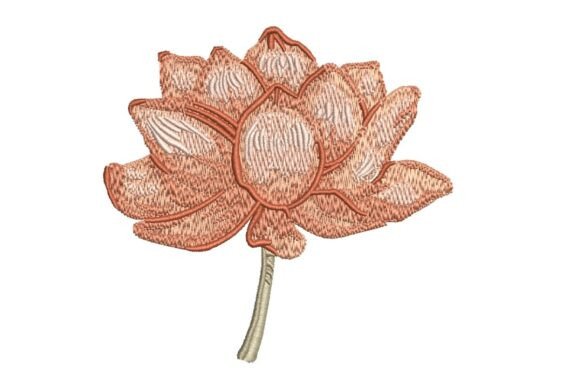
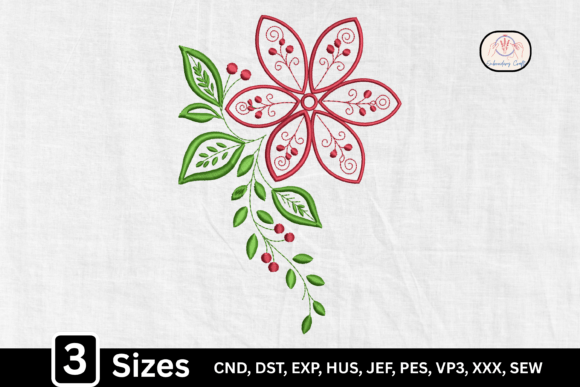
The first thing that strikes you about the Botanical Red Flower is its elegant simplicity. In a market saturated with overly complex, hyper-realistic florals that require thousands of stitches and hours of machine time, this design offers a refreshing balance. The layout suggests a timeless aesthetic, leaning into a classic botanical illustration style rather than a cartoonish or overly modern abstract look. This visual personality is crucial because it allows the design to transcend trends. A design that feels "current" today often looks dated in six months, but a classic red floral motif remains relevant across seasons.
The color palette, dominated by rich reds and complementary greens, creates an immediate focal point. Red is a powerful color in embroidery; it demands attention but can also bleed visually if the stitch types are not chosen carefully. From the preview, the design appears to utilize a mix of satin stitch for the petals and leaves, providing that smooth, glossy finish that customers associate with high-quality custom work. The use of fill stitch seems minimal, which is a positive indicator for production speed and fabric comfort.
Real-World Application: The Tote Bag Test
To truly understand the value of an embroidery file, I mentally place it into a real-life production scenario. Imagine preparing a batch of canvas tote bags for a local farmer’s market or an Etsy shop launch. Canvas is a sturdy, textured fabric that can swallow fine details if the design is too delicate. The Botanical Red Flower, with its bold outlines and substantial petal shapes, stands up well against the weave of heavy cotton or canvas.
In this context, the design serves as a central branding element. It is large enough to be seen from a distance but detailed enough to reward closer inspection. For a small business owner, this versatility is key. You are not just selling a bag; you are selling a lifestyle. The elegant nature of the flower elevates the perceived value of the handmade product. It moves the item from a simple utility bag to a boutique accessory. When I visualize this stitched out, I see clean edges and vibrant thread colors that pop against natural beige or white canvas, creating a sophisticated look that appeals to adult consumers rather than just children’s markets.
Versatility Across Product Lines
Beyond tote bags, this design shows promise for custom apparel. Consider a cream-colored linen shirt or a structured denim jacket. The red floral provides a striking contrast that works beautifully for spring and summer collections. However, its warmth also makes it suitable for holiday embroidery projects, such as festive aprons or kitchen towels during the winter season. The adaptability of the red hue means it can bridge the gap between romantic spring aesthetics and cozy winter decor.
For those running a craft business, the ability to use one design across multiple product lines is a significant efficiency booster. You can use the same Botanical Red Flower for a sweatshirt embroidery project, a set of cloth napkins, and even a decorative pillow cover. This consistency helps in building brand recognition. If a customer sees your distinctive floral style on a hat and then on a towel, they begin to recognize your signature aesthetic. This is particularly valuable for Etsy sellers who need to maintain a cohesive shop appearance.
Technical Considerations and Stitching Reality
While the visual appeal is strong, a professional designer must look at the technical execution. The success of any embroidery project relies heavily on the interaction between the design, the fabric, and the stabilizer. With a design featuring prominent red tones, thread choice is critical. I recommend using high-sheen rayon or polyester threads to maximize the light reflection on the satin stitches. Matte cotton threads might make the design look flat and less vibrant.
One area requiring careful attention is stitch density. Dense designs can cause puckering, especially on lighter fabrics like chiffon or thin cotton blends. Before committing to a full production run, it is essential to test the design on scrap fabric identical to your final material. Check the back of the hoop as well; excessive bobbin thread visibility or looping can indicate tension issues that need adjustment. Using the correct stabilizer is non-negotiable. For stretchy fabrics like jersey knits used in t-shirts, a cut-away stabilizer is likely necessary to prevent the design from distorting after washing.
Another practical note concerns the hoop size. Ensure that the dimensions of the Botanical Red Flower fit comfortably within your machine’s standard hoops. If the design is near the maximum limit of a 4x4 or 5x7 hoop, positioning it correctly on curved surfaces like caps or sleeves becomes challenging. Always measure twice and hoop once. For curved items, consider using a magnetic hoop frame or a specialized cap driver to ensure the fabric remains taut and the design does not shift during stitching.
Navigating Fabric and Color Challenges
Dark fabrics present a unique challenge for red embroidery. On black or navy blue, red can sometimes lack contrast unless the thread is bright and vibrant. In such cases, consider adding a subtle underlay or a thin border to help the design stand out. Conversely, on pastel fabrics, the bold red will dominate, so ensure the scale of the flower is appropriate for the garment size. A massive flower on a baby onesie might look overwhelming, whereas a smaller version could serve as a charming accent for baby embroidery projects.
Textured fabrics like terry cloth or fleece require a different approach. The pile of the fabric can obscure fine details. If you plan to use this design on towels or blankets, verify that the running stitch outlines are thick enough to remain visible. You might need to adjust the pull compensation settings in your software if you have the editable file, or simply choose a thicker thread weight to ensure clarity.
Commercial Viability and Licensing
For digital product sellers and commercial embroiderers, understanding licensing is paramount. Before selling any personalized gift or merchandise featuring the Botanical Red Flower, confirm the license terms provided with the digital embroidery file. Most designers allow the sale of finished physical goods but restrict the resale or sharing of the actual file. Respecting these terms protects your business reputation and supports the creative community.
Additionally, creating high-quality printable mockup images is essential for online sales. Since customers cannot touch the product, your photos must convey the texture and quality of the stitching. Use good lighting to highlight the sheen of the threads and the crispness of the edges. Show the design in context—on a model wearing the shirt, or on a table set with the embroidered napkins. This helps buyers visualize the product in their own lives, increasing conversion rates.
Final Verdict
The Botanical Red Flower is a solid addition to any designer’s toolkit. It balances aesthetic elegance with practical stitchability. Its strength lies in its versatility and timeless appeal, making it suitable for a wide range of applications from commercial embroidery runs to one-off custom apparel pieces. By paying attention to fabric selection, stabilizer choice, and thread quality, you can ensure that every stitched piece meets professional standards. For small shop owners and hobbyists alike, this design offers a reliable way to create beautiful, sellable products that resonate with customers seeking quality and charm in their handmade items.